
Exclusive hotel & boat
Your own boat and rooms, not a shared pool.
UNESCO World Heritage Site
Licensed boats, forest-department guides and permits handled end to end. Departures every day from Godkhali jetty, October through March.
Daily
Departures
Oct-Mar
Best season
3 hrs
From Kolkata
5+
Years on the delta
4000+
Guests hosted
4.8/5
Average guest rating
100%
Permits handled by us
Your own boat and rooms, not a shared pool.
Local naturalists and a full boat crew.
Licensed boats, life jackets, first aid.
Fresh Bengali cooking, all meals included.
Tuned to the tide, not to a fixed clock.
Tour packages
Private and sharing boats on every route. Each package includes the boat, forest permits, guide and all meals. Call or send the form below for current pricing and availability.
A full day inside the reserve for travellers short on time.
On request
Our full tour — the complete route at the tide's pace.
On requestper person
Your own boat and crew, on a route and schedule built around you.
On requestper group
About the delta
The Sundarbans is the largest contiguous mangrove forest on earth, spread across the Ganges–Brahmaputra delta. The Indian side covers roughly 4,200 sq km, of which the tiger reserve and national park form the protected core.
Our safaris follow the permitted creek routes out of Godkhali jetty, timed to the tide rather than the clock — which is why our boats reach the watch towers before the crowds and before the forest goes quiet for the day.
We have been running trips here since 2021. Every boat is forest-department licensed and life-jacket equipped, and every departure carries an approved naturalist who grew up on these islands. Permits, meals, stays and transfers are arranged before you arrive, so the only thing you handle is turning up.
Kolkata to Godkhali jetty is roughly 100 km — about 3 hours by road. By train, take the Sealdah South line to Canning, then a 1.5-hour road transfer. We can arrange door-to-jetty pick-up.
October to March is the peak window: cool, dry and the best sighting odds. April to June is hot but quiet. The monsoon is green and dramatic, with some route restrictions.
Why people come
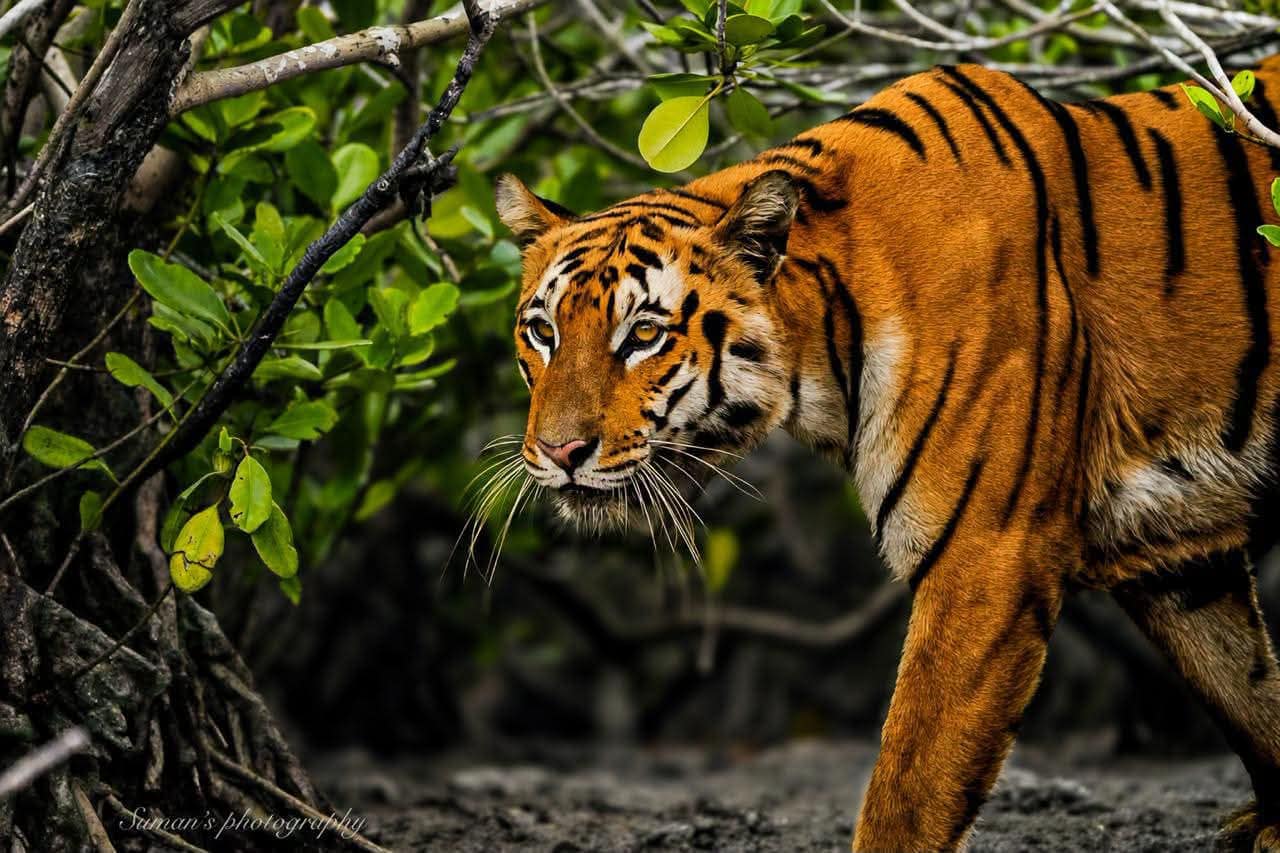
A sighting is never promised — no one can promise you a tiger. What we can promise is the creek, the tide, the kingfishers, and a guide who has been reading this water since childhood.
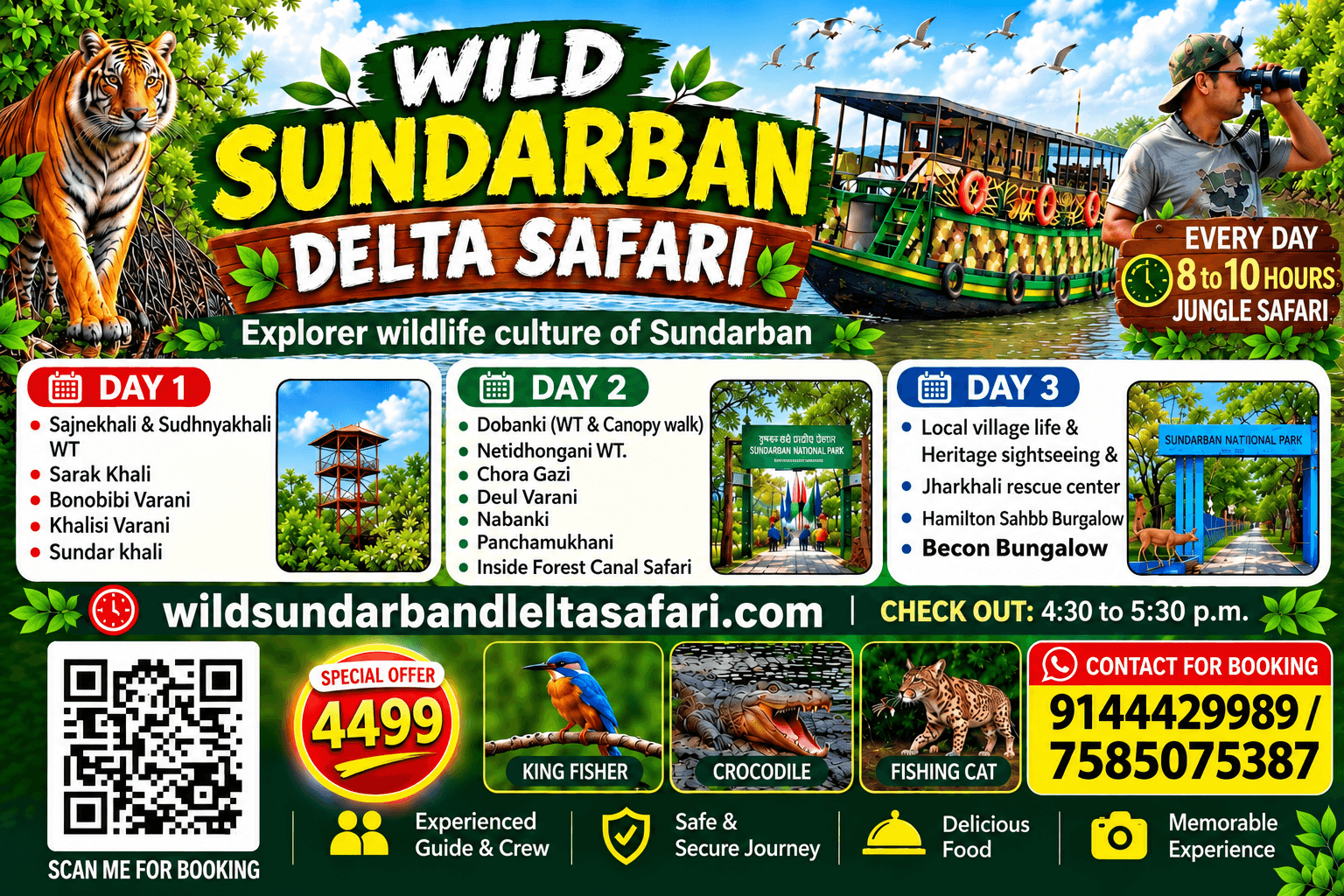
2 Nights / 3 Days
Our full tour route, day by day. Day trips cover the Day 1 stops in a single 8–10 hour run. Exact stops shift with the tide and forest department permissions.
Day 1
Day 2
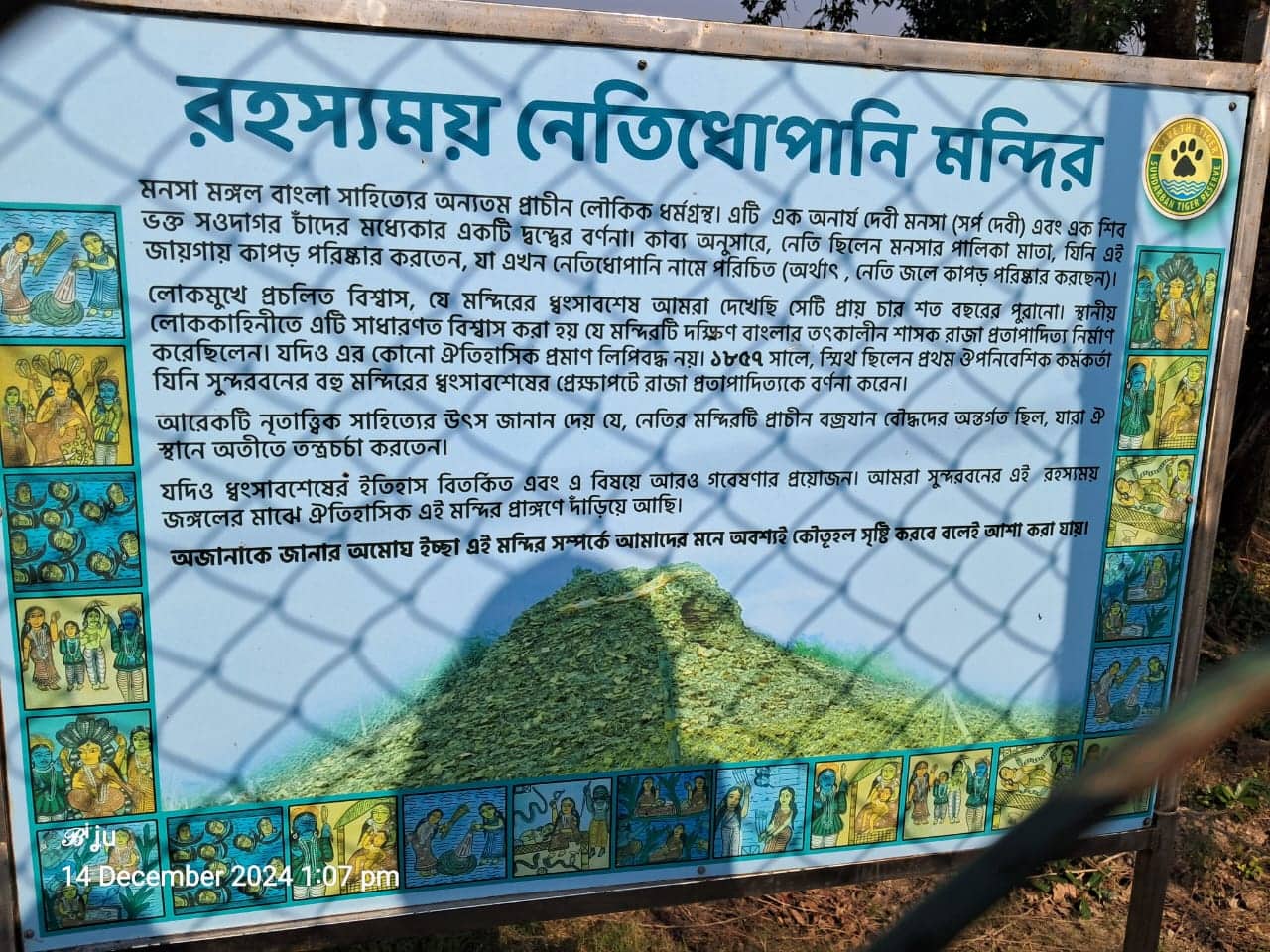
Day 3
Food on board
This is the full 3 days / 2 nights menu — nothing is an add-on. Vegetarian, Jain and no-onion-garlic versions are arranged on request at booking
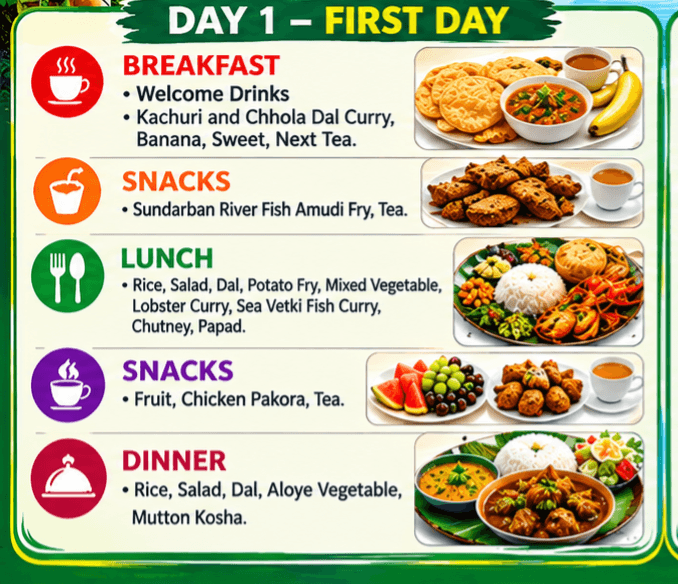
First day
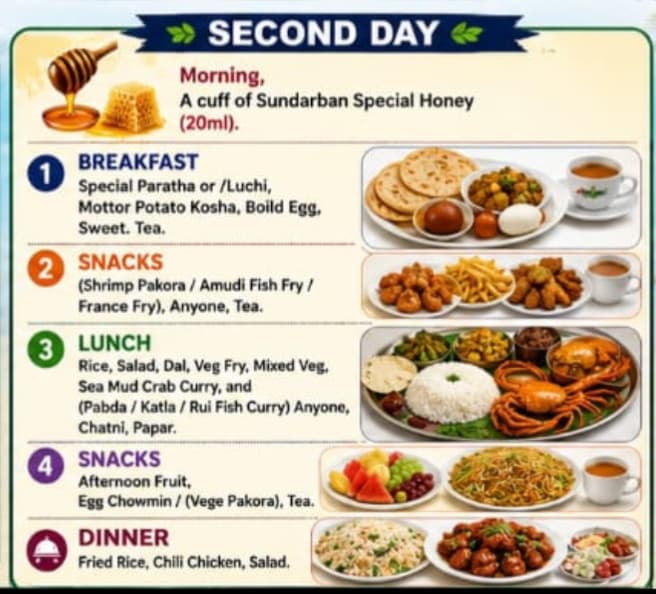
Second day
Breakfast - special Paratha or/Luchi Potato kosha,Books egg, Sweet,Tea.
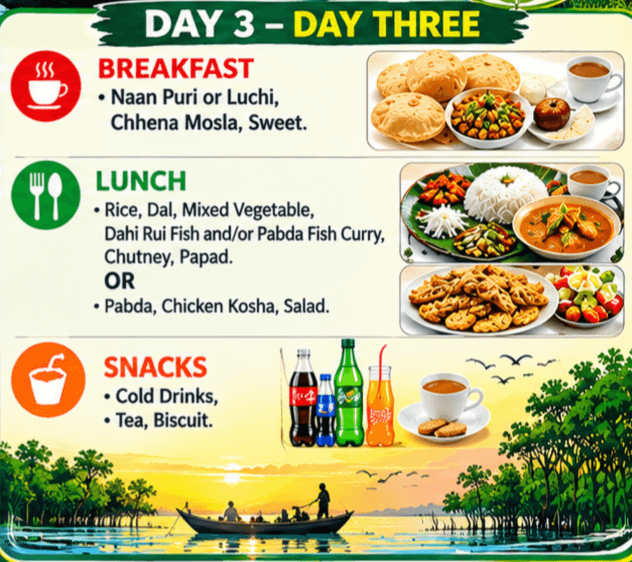
Day three
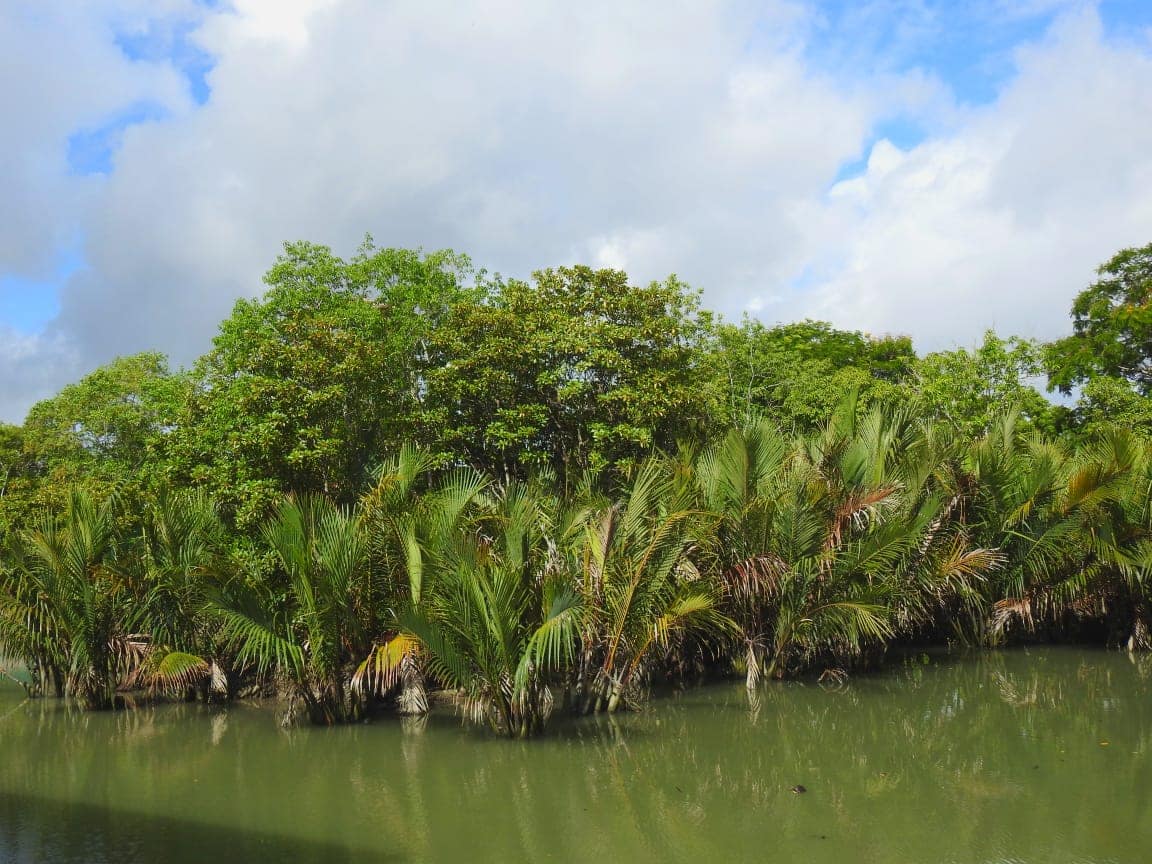
On the water
Our boats leave Godkhali when the water says so. That is why they reach the watch towers before the crowds, and before the forest goes quiet for the day.
The experience
Long slow cruises broken up by towers, walks and food. Nothing is rushed — the tide sets the pace and the forest rewards patience.
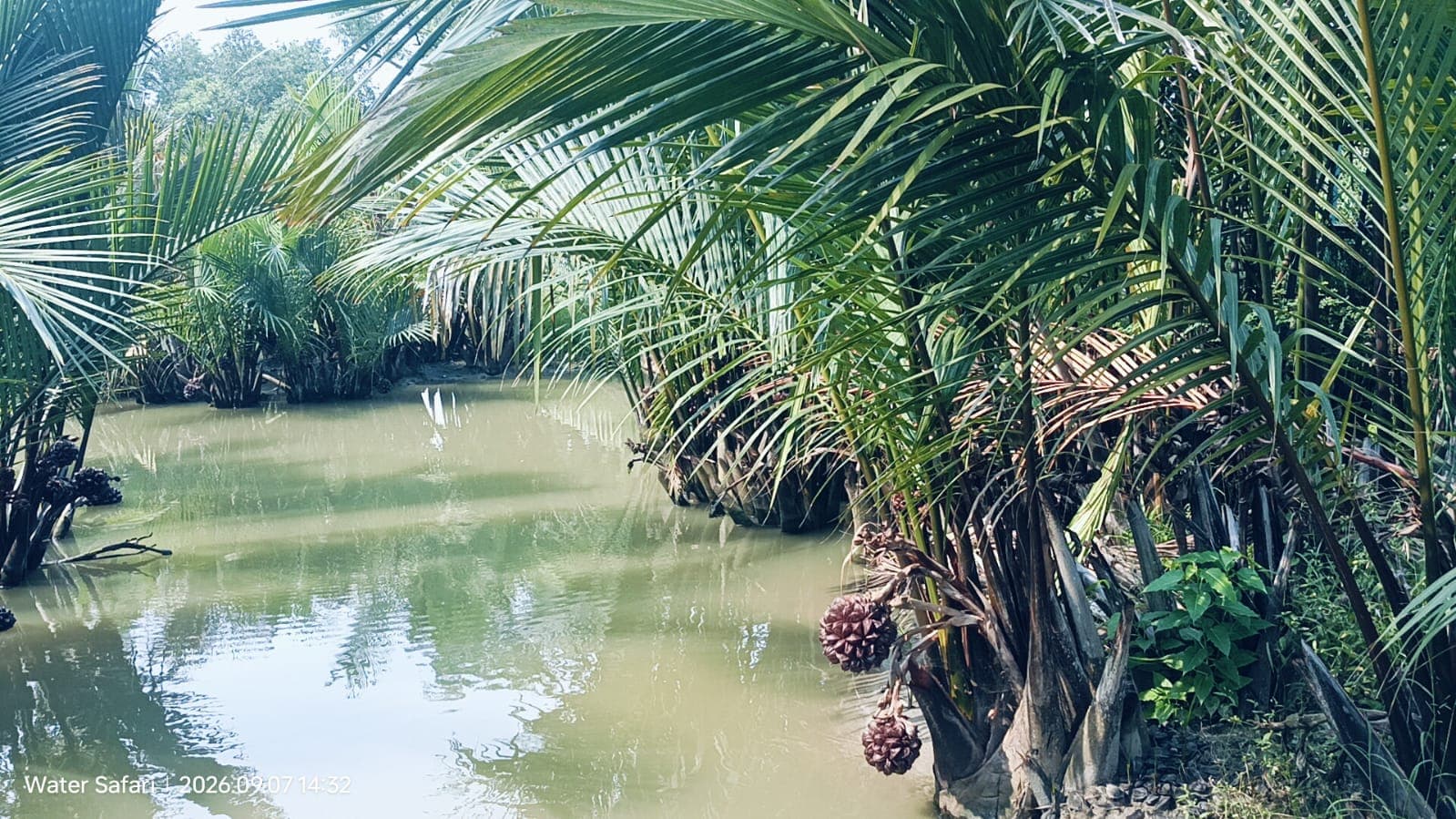
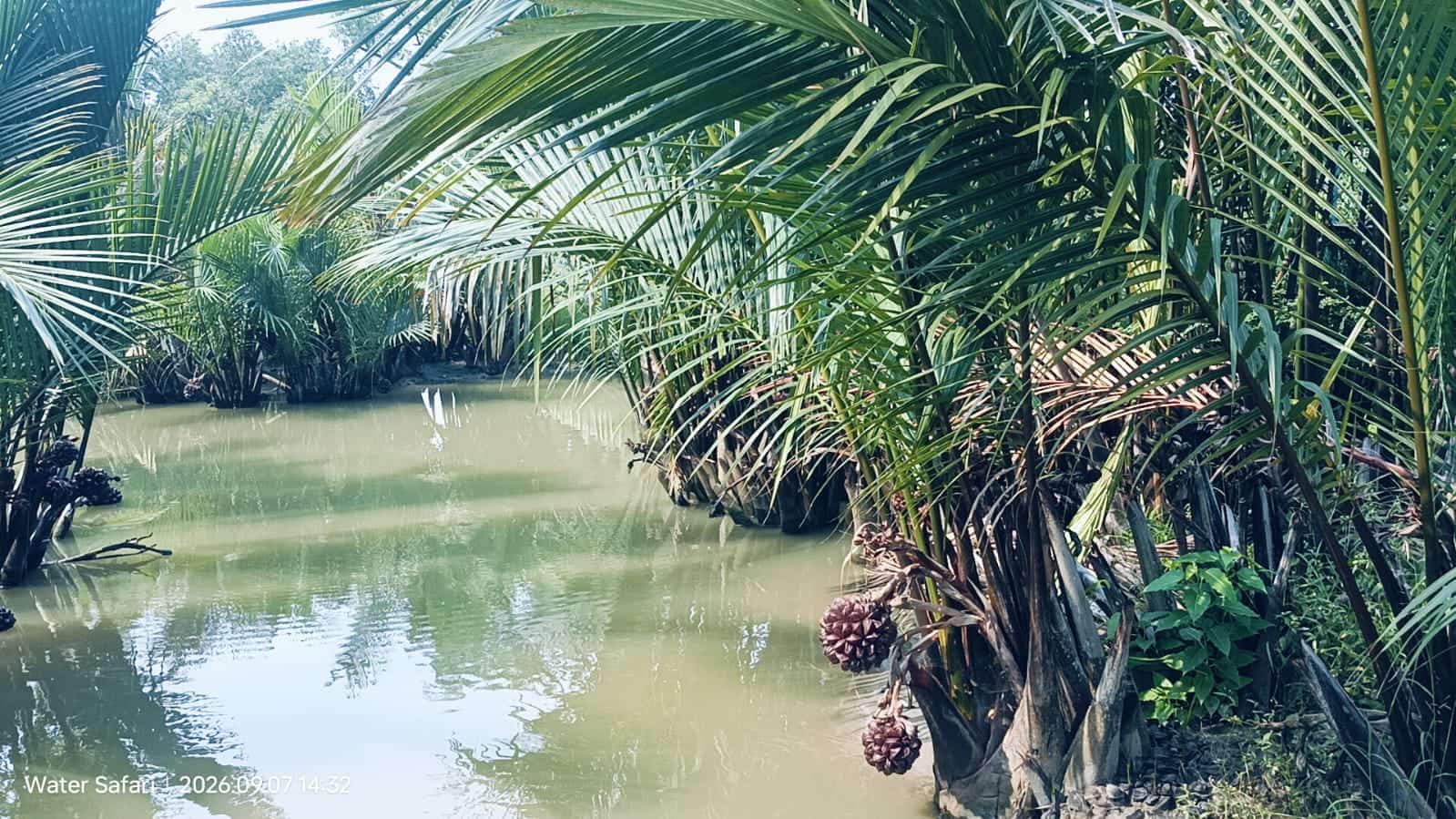
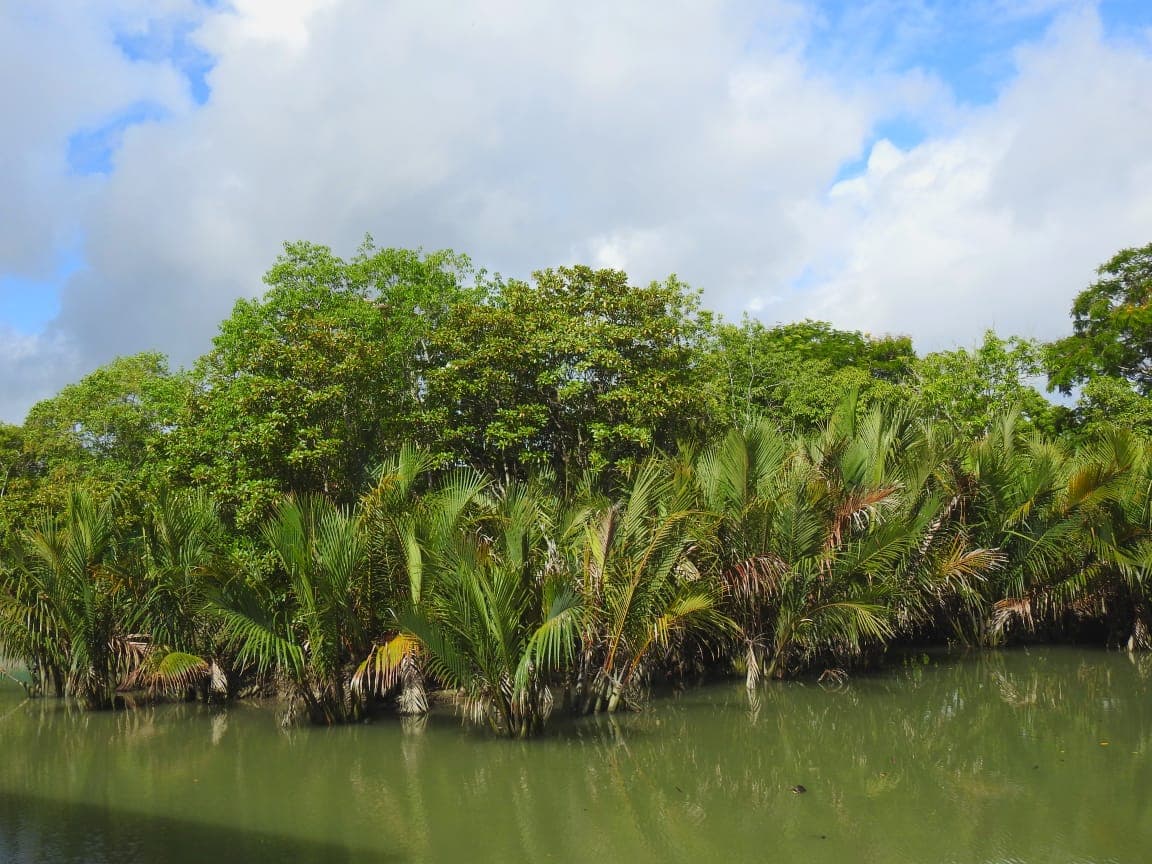
Narrow tidal channels where the mangroves close overhead and the engine cuts to a drift. This is where the delta shows itself.
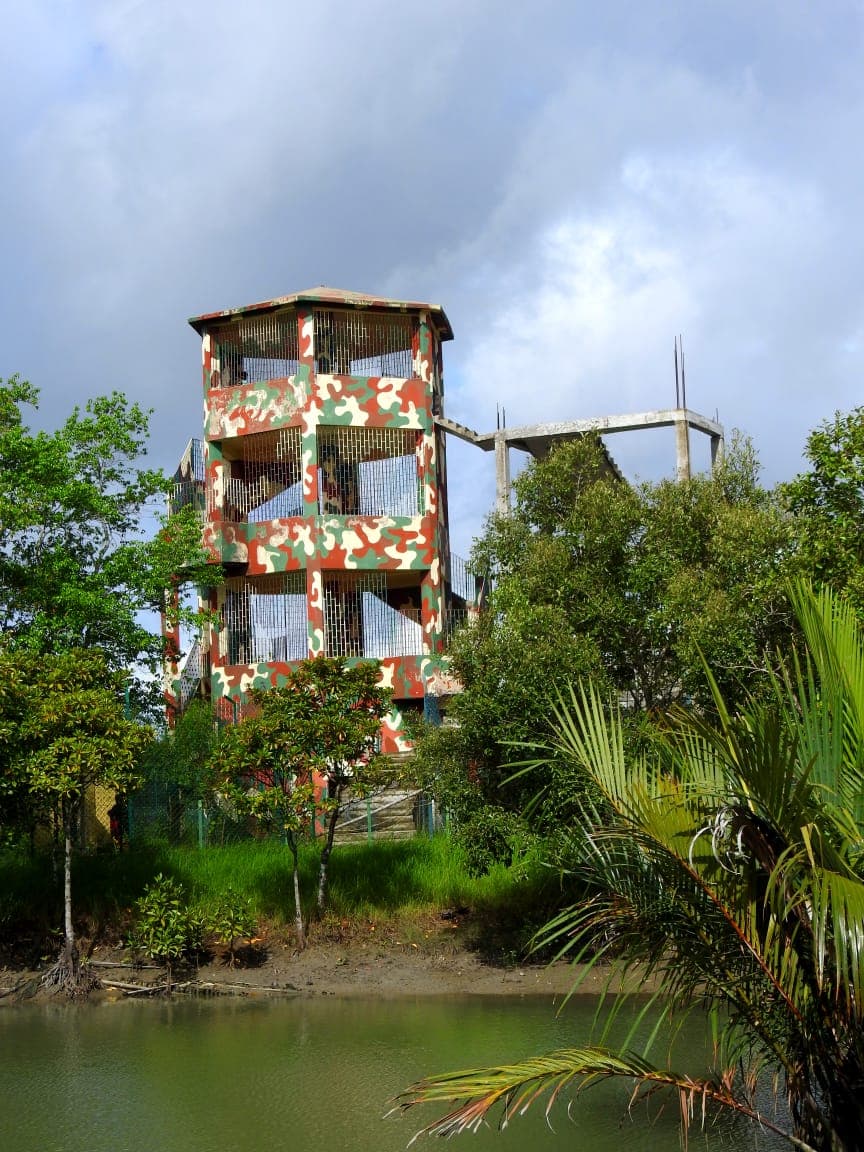
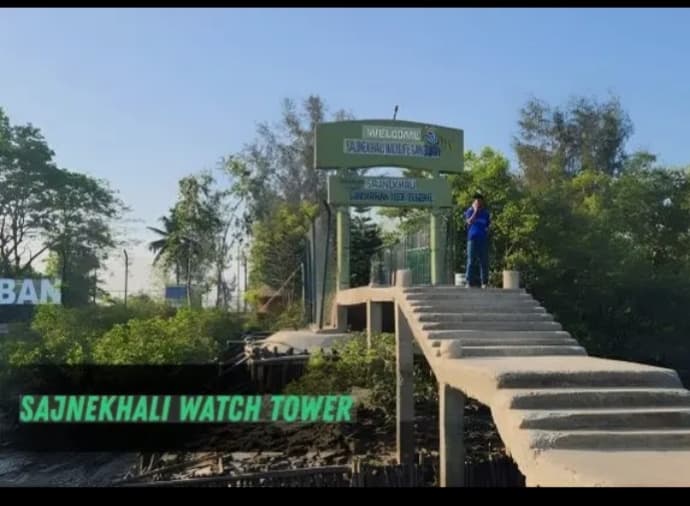
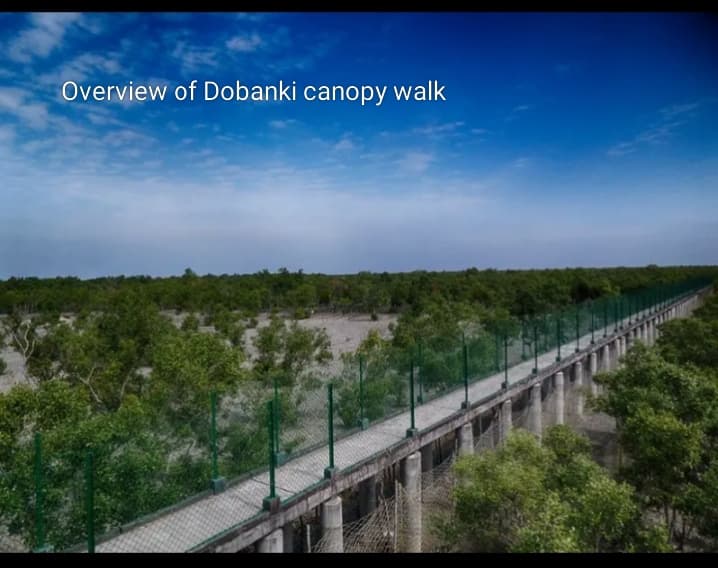
Raised hides at Sajnekhali, Sudhanyakhali and Dobanki overlooking sweet-water ponds where deer, boar and the occasional tiger come to drink.
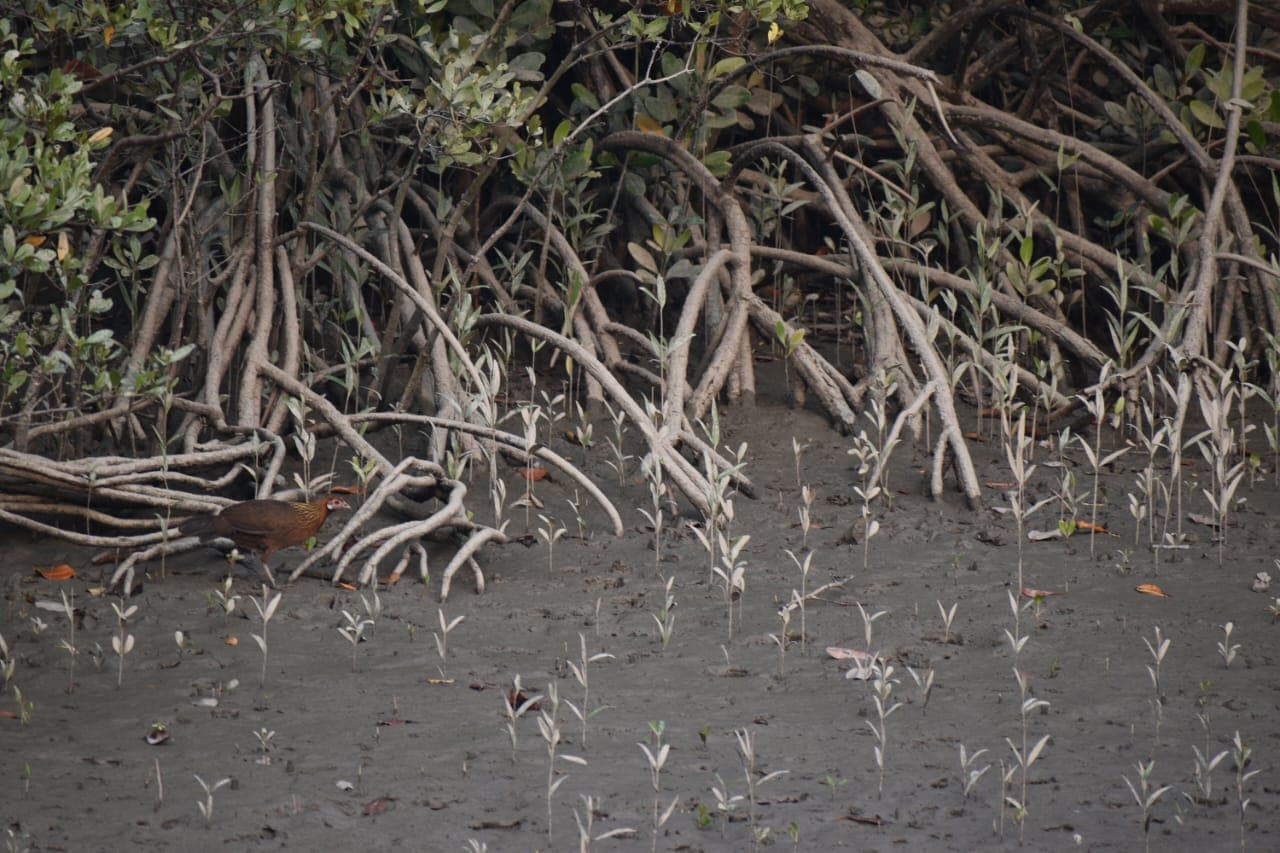
At low tide the mudflats bristle with pneumatophores — the snorkels mangroves use to breathe. Whole islands of them, as far as you can see.
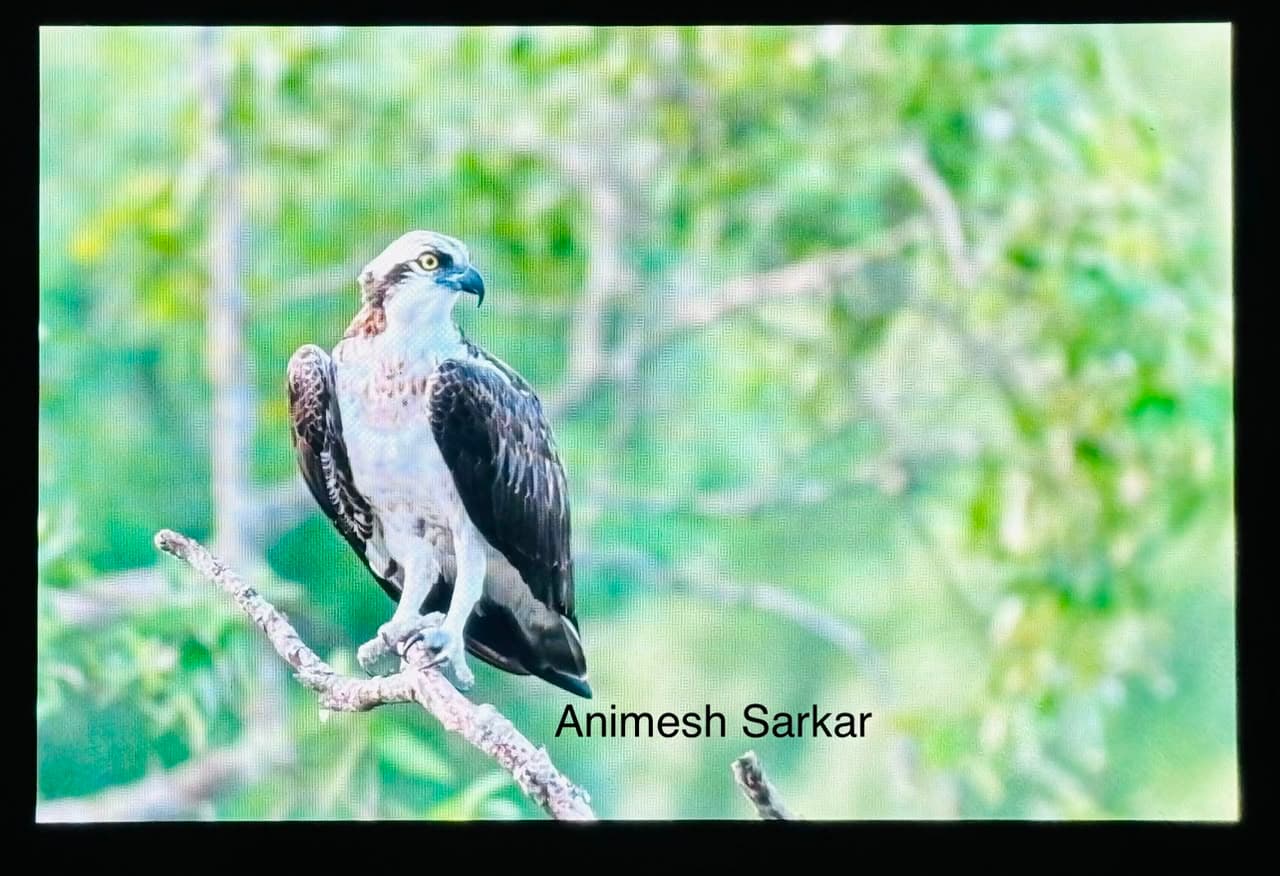
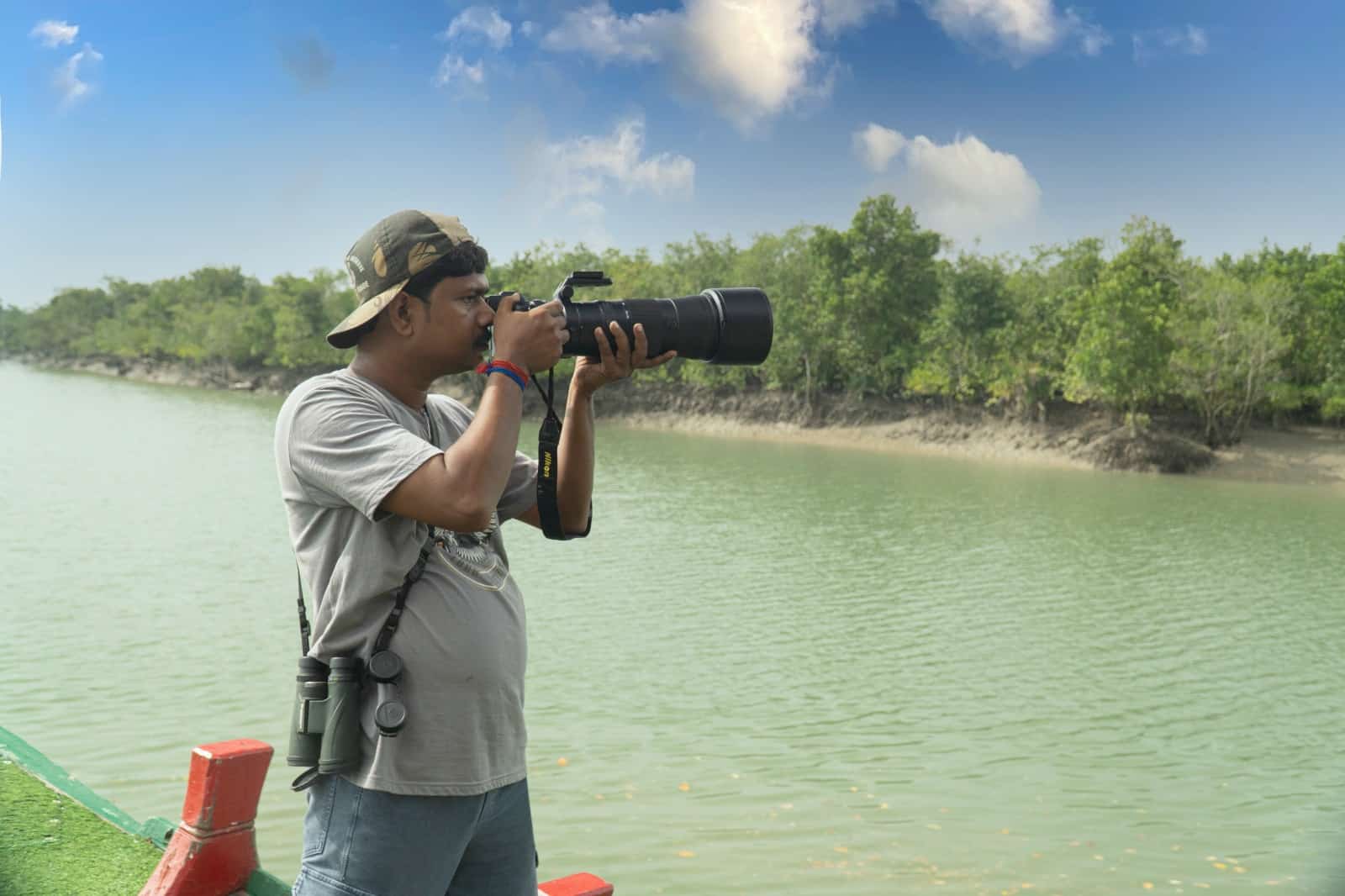
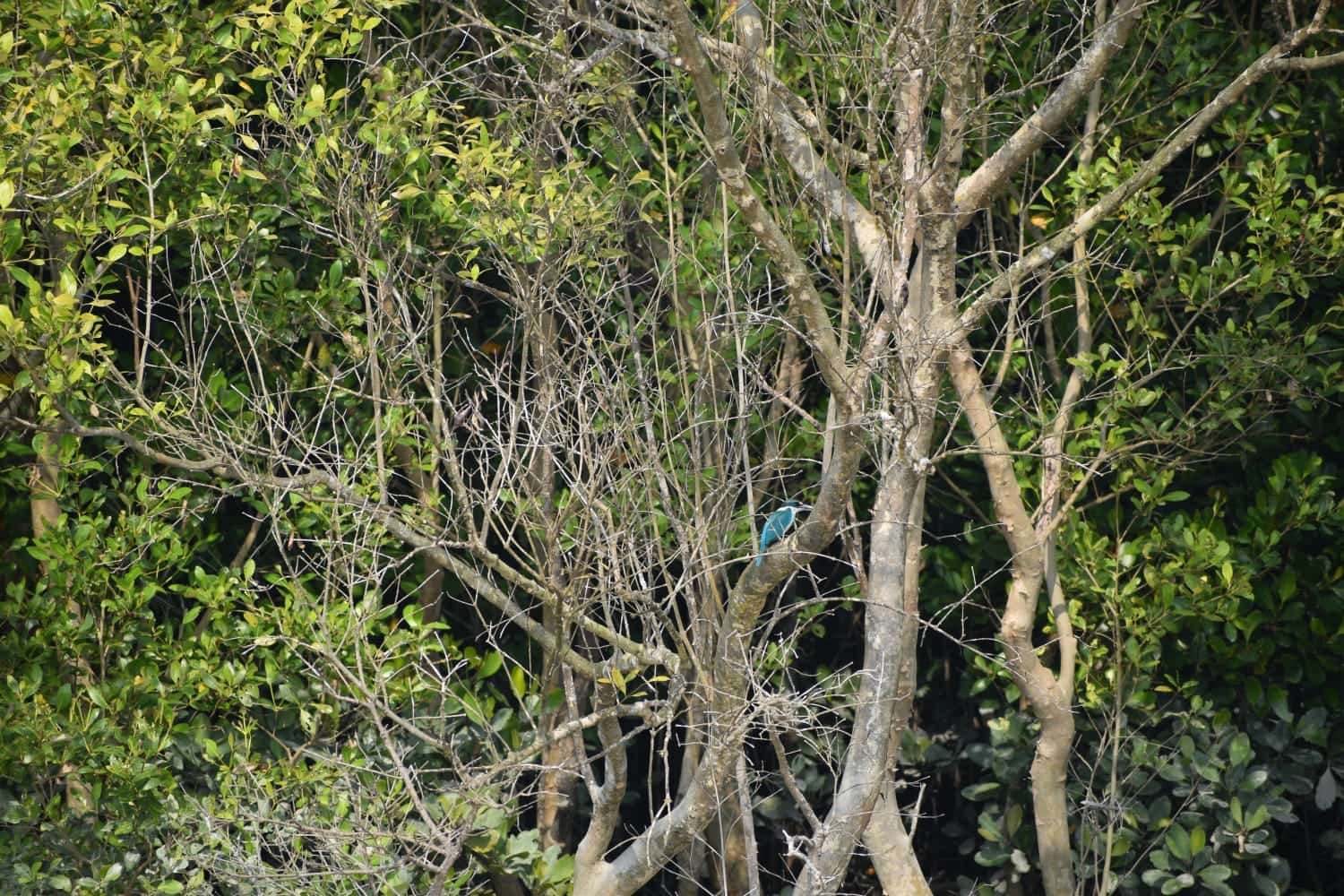
Kingfishers, storks, cormorants, minivets and green pigeons, all photographed from an open upper deck with nothing in the way.
Your guide reads pugmarks, alarm calls and tide charts. Half of what you see out here you would have cruised straight past.
No city glow for a hundred kilometres. Overnight guests get a deck, a cup of tea and a sky most visitors have never seen.
Wildlife
Sightings are never guaranteed in a mangrove forest — but this is what the delta holds, and what our guides put you in the best position to find.
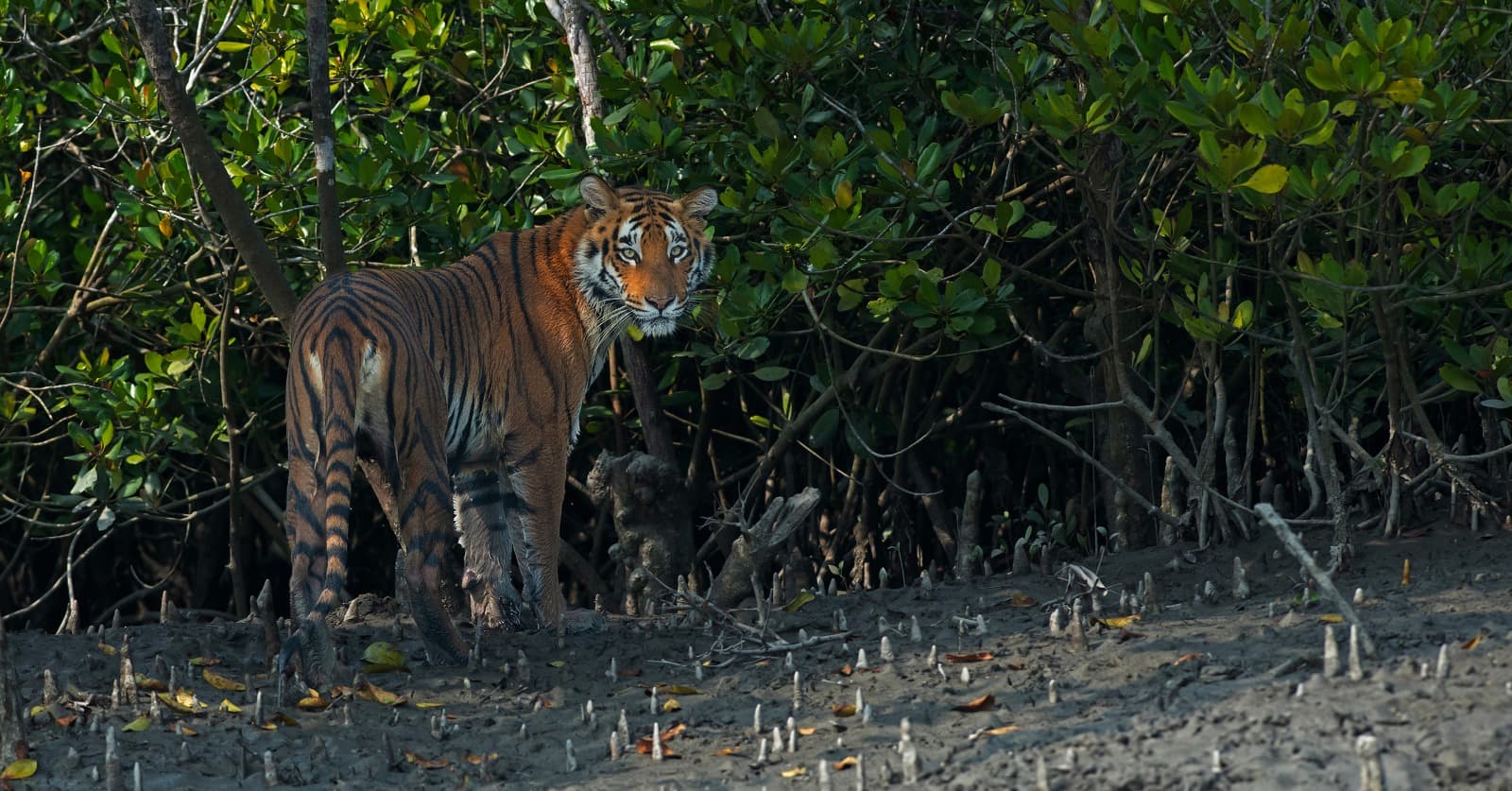
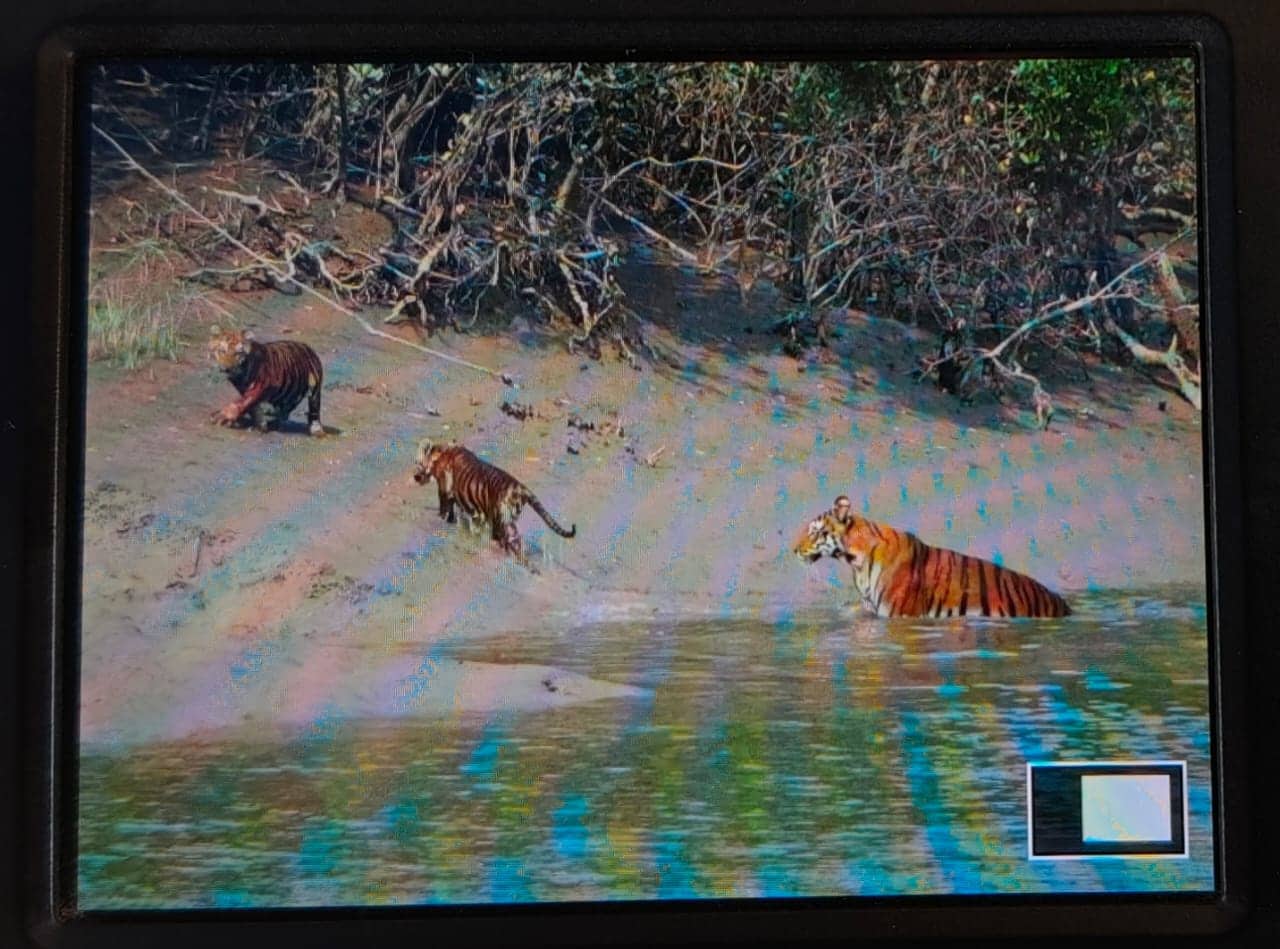
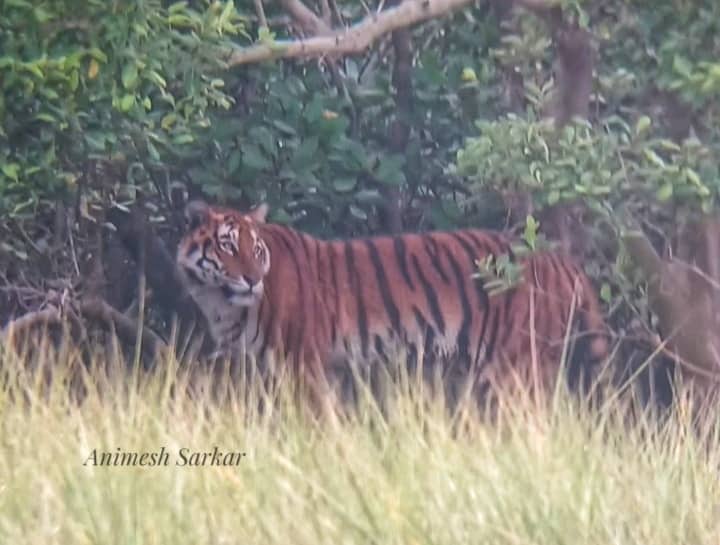
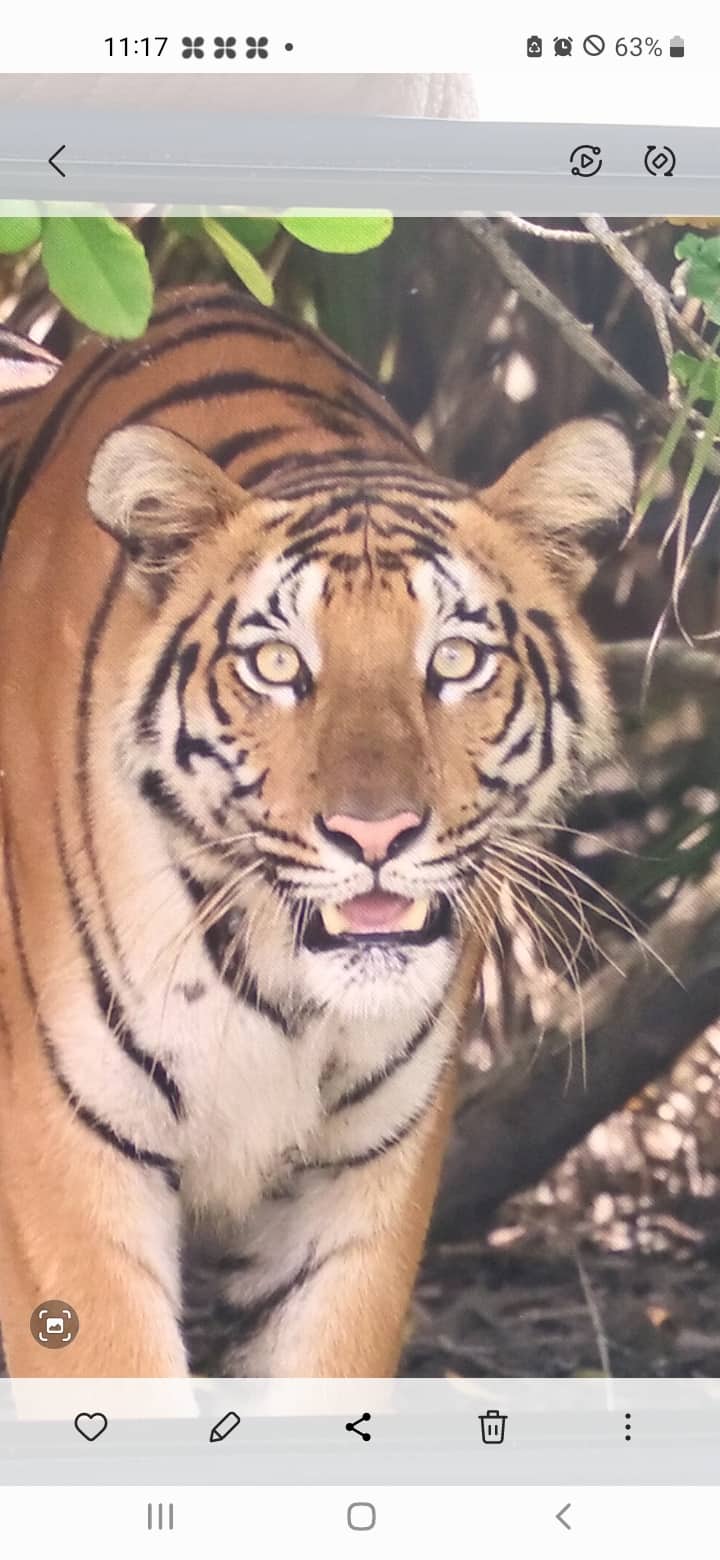
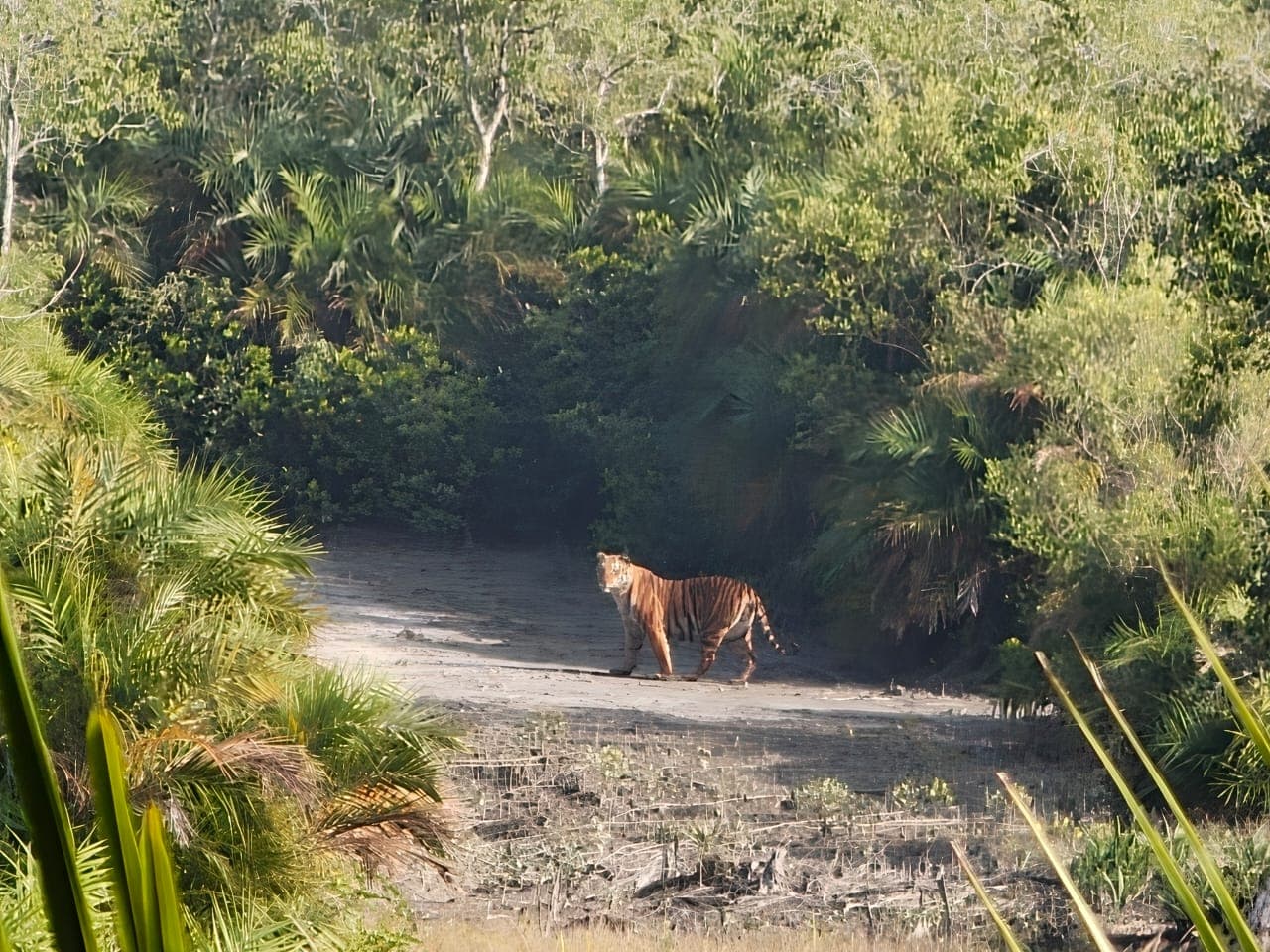
Around 100 tigers range across the Indian Sundarbans. They swim the wide channels between islands and are famously hard to see — dawn at the watch towers gives you the best chance.
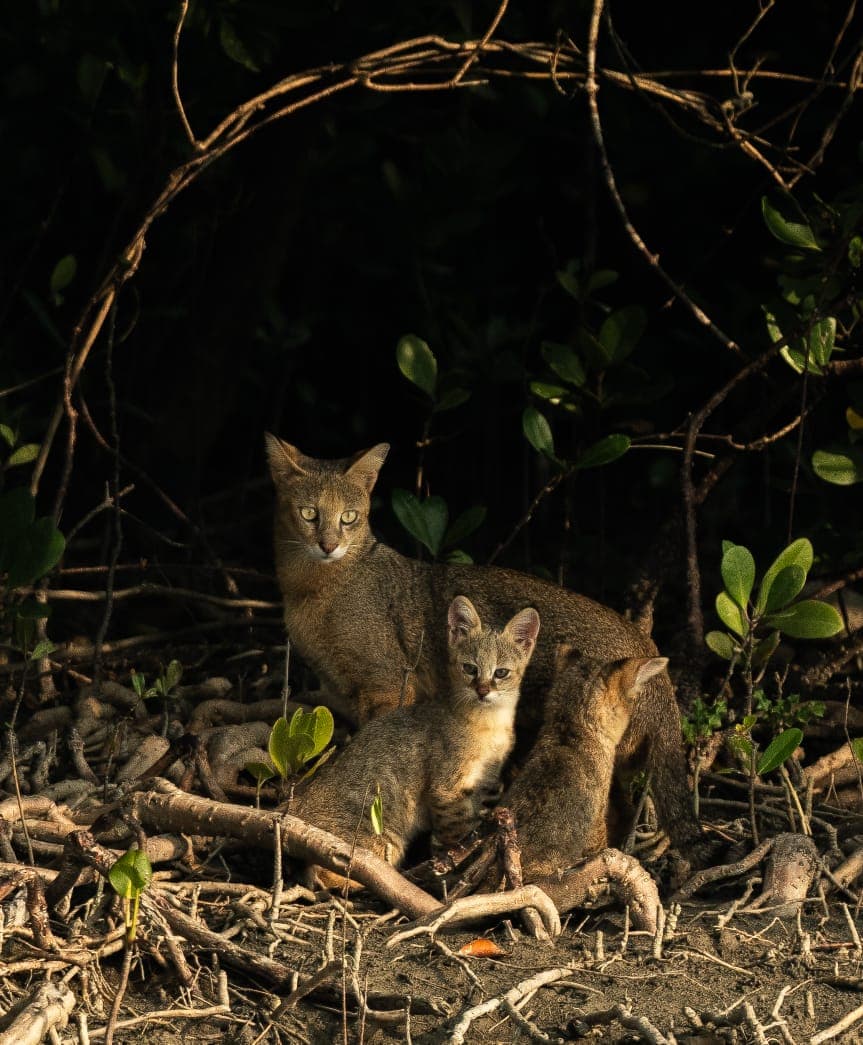
Twice the size of a house cat and completely at home in water. Camera traps catch them far more often than people do, which makes a live sighting something to remember.
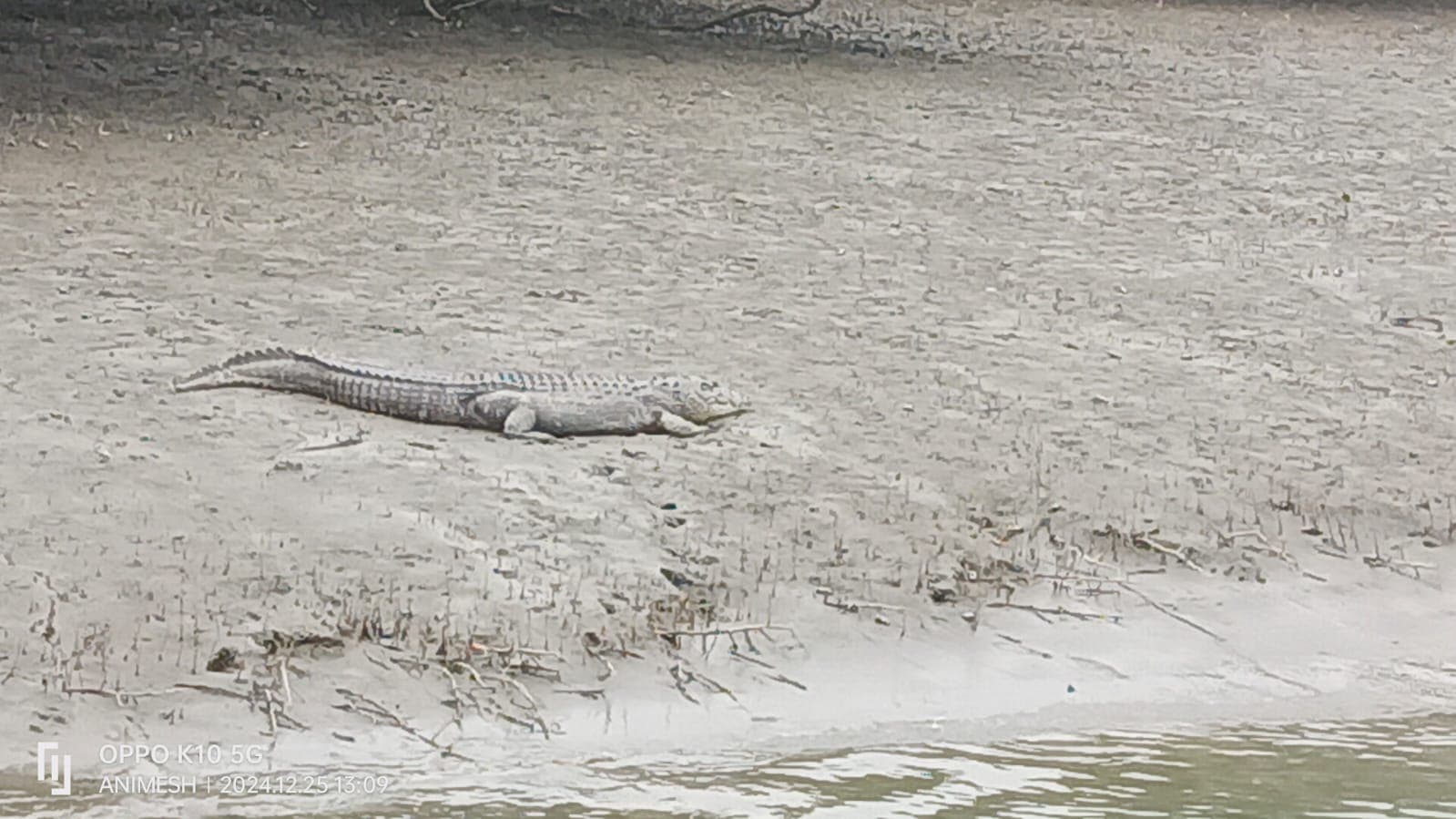
The delta's largest predator, up to six metres long. At low tide they haul out onto the mudbanks along the wider channels and lie still for hours.
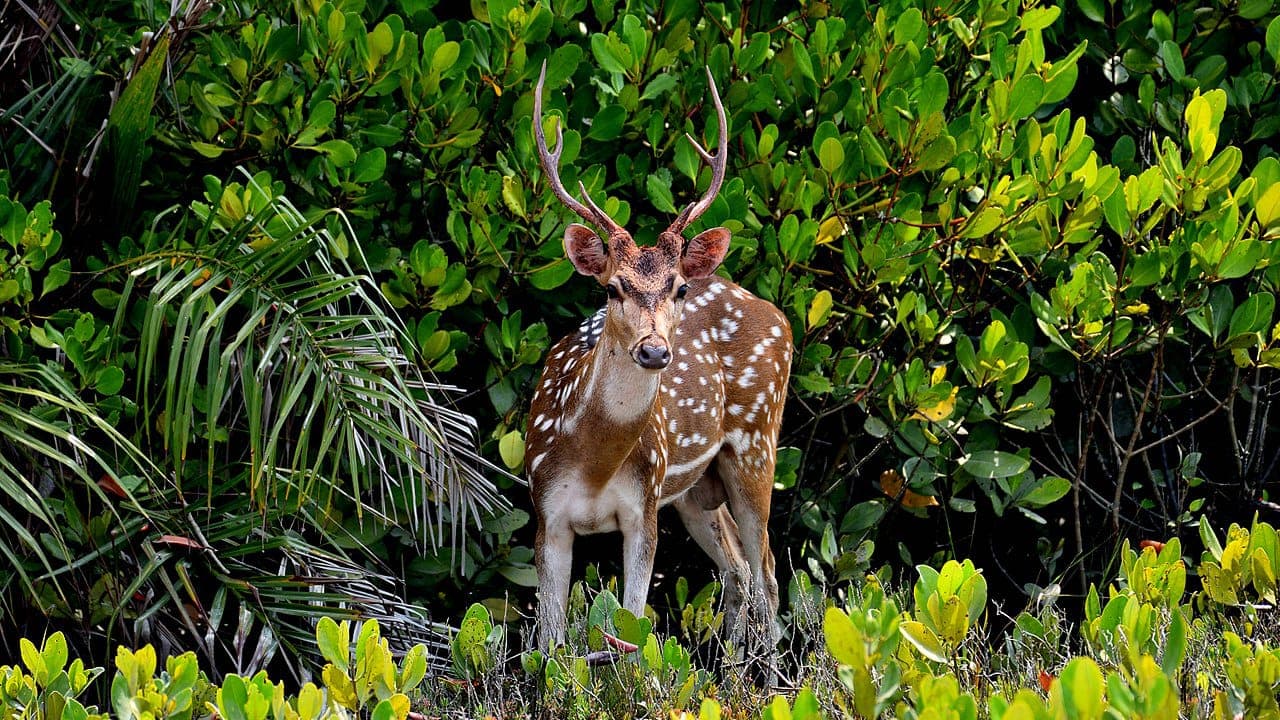
The tiger's main prey, and the reason you watch the treeline. Their alarm call carries a long way — when the deer start barking, everyone on the boat goes quiet.
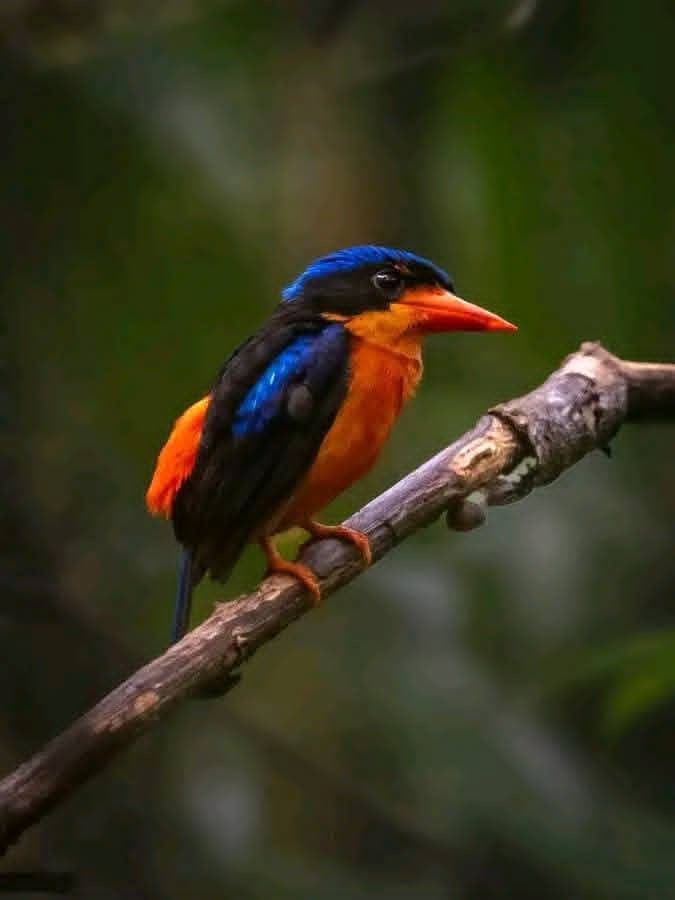
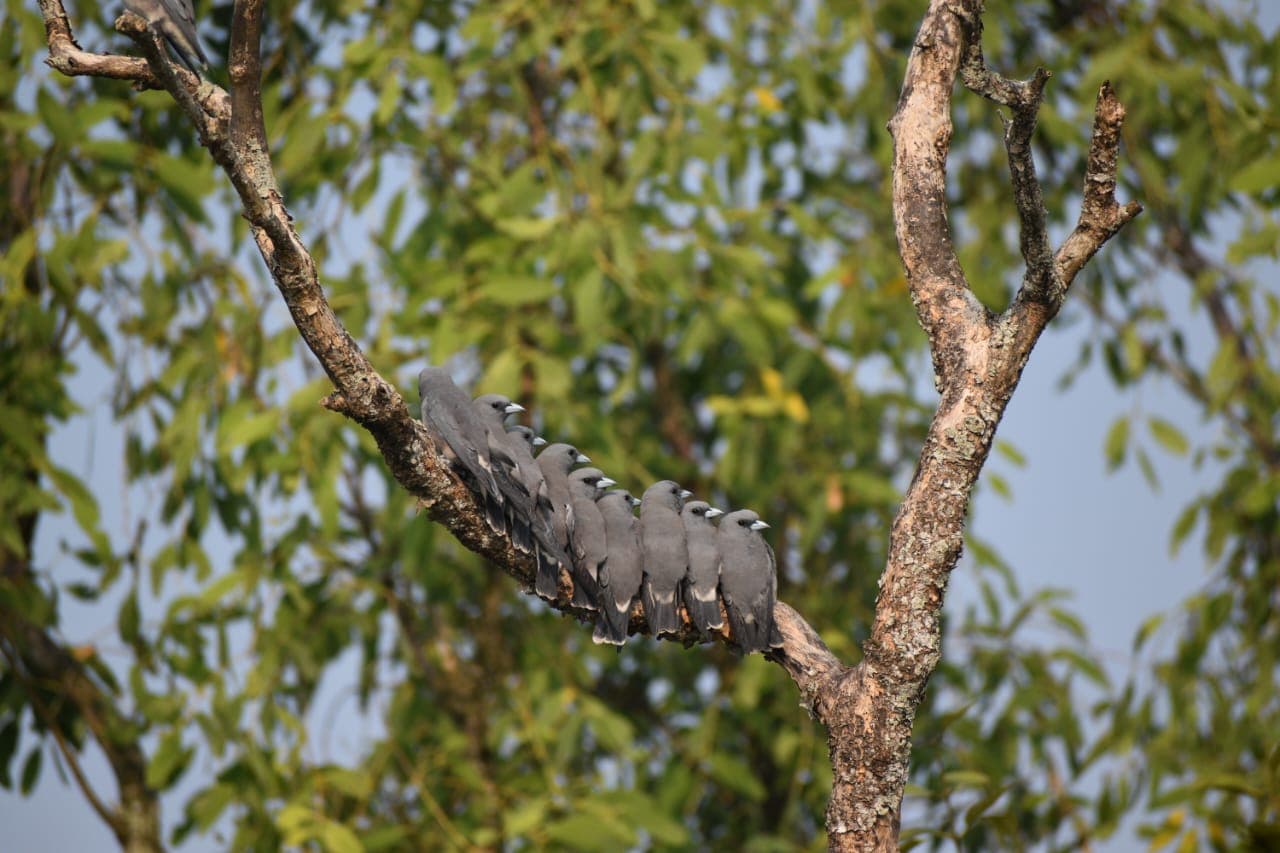
Seven species live here. The black-capped and brown-winged are Sundarbans specialities; the common and pied kingfishers you will see hunting all day along the creeks.
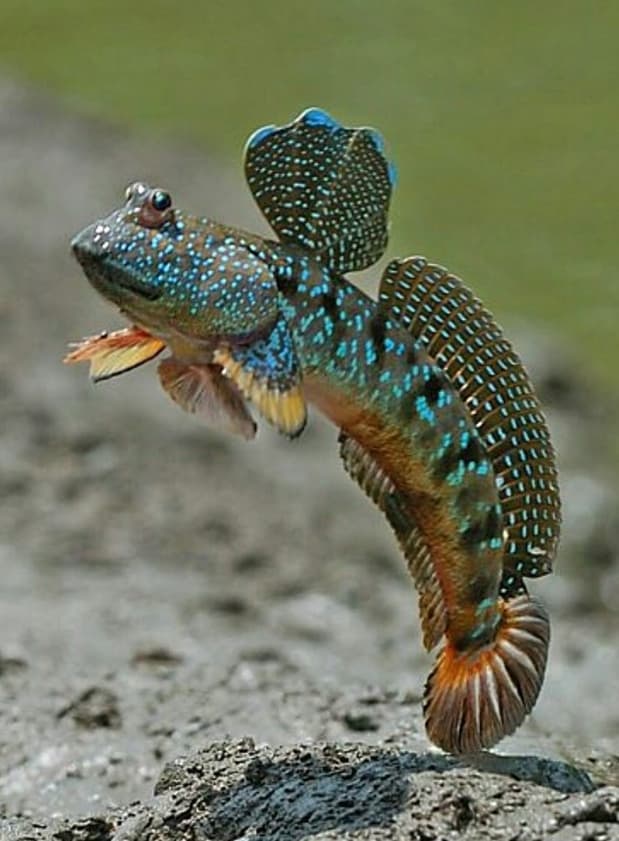
The mudflats come alive between tides. Mudskippers walk on their fins and fiddler crabs wave a single oversized claw — the delta in miniature.
Up to two metres long, often draped along a branch above the water or swimming across a creek with just its head showing.
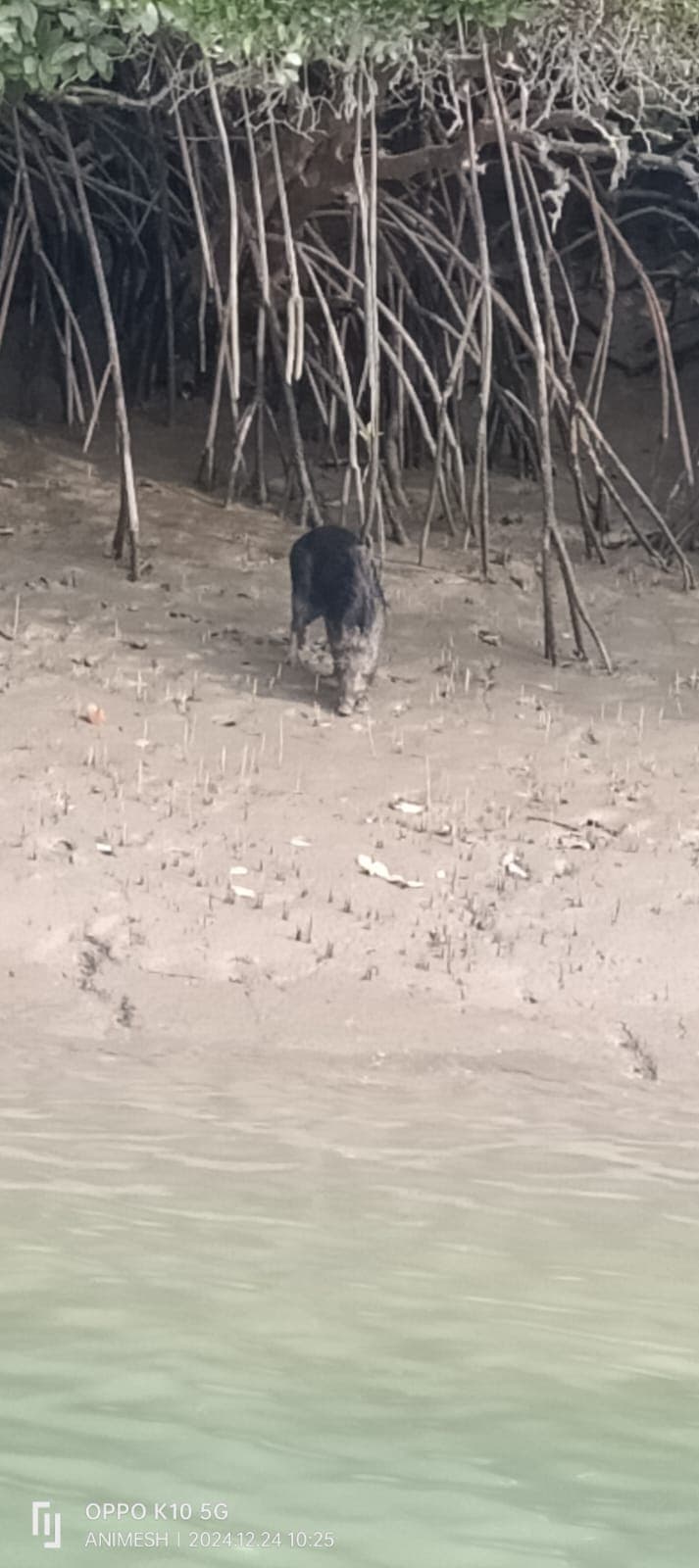
Common on the banks, rooting through the mud at low tide. Often the first large animal you see on a morning cruise.
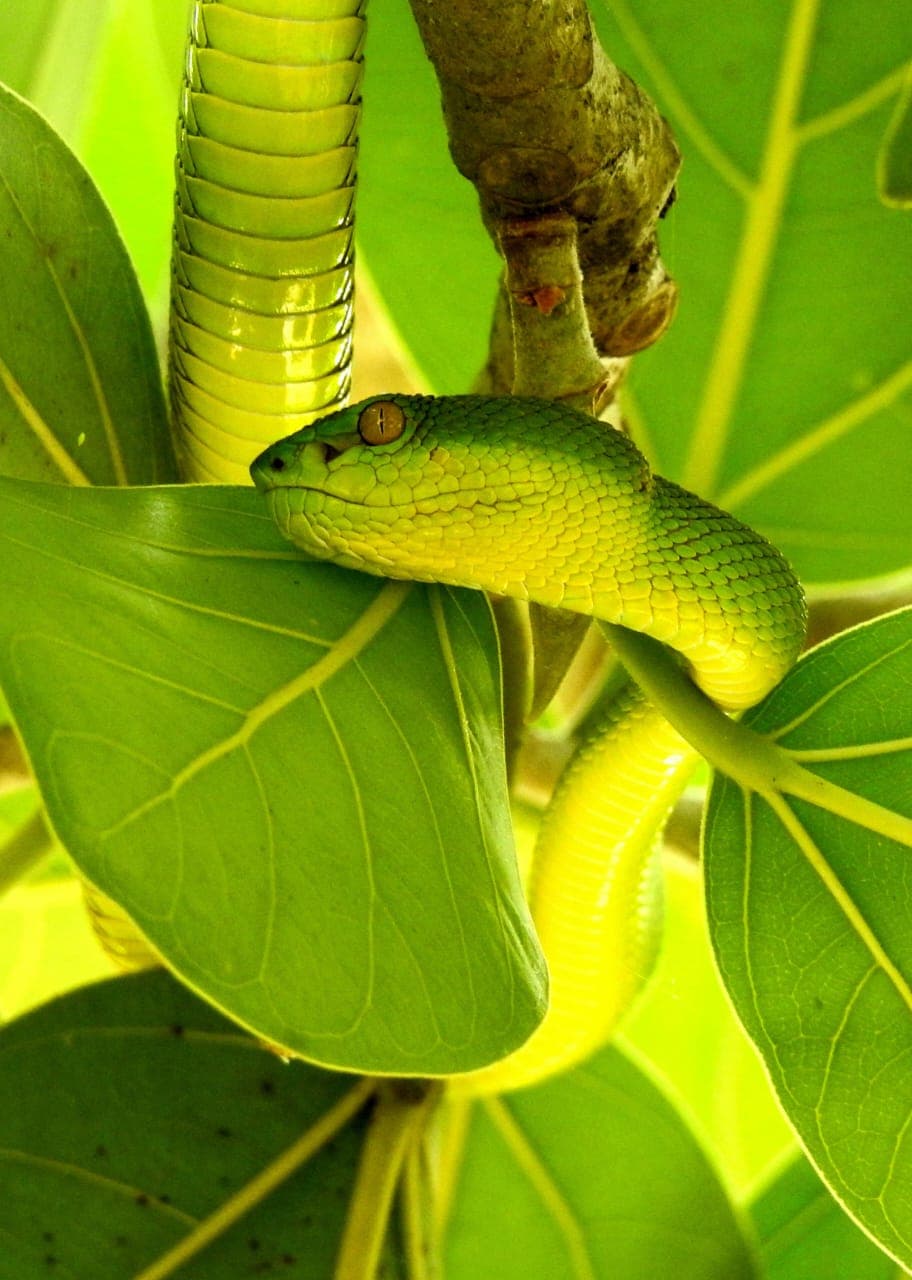
Bright green and pencil-thin, almost invisible against the leaves until it moves. Harmless to people.
The forest itself
The Sundarbans is not one tree but dozens. These are the six you will see most, and the ones your guide will point out first.
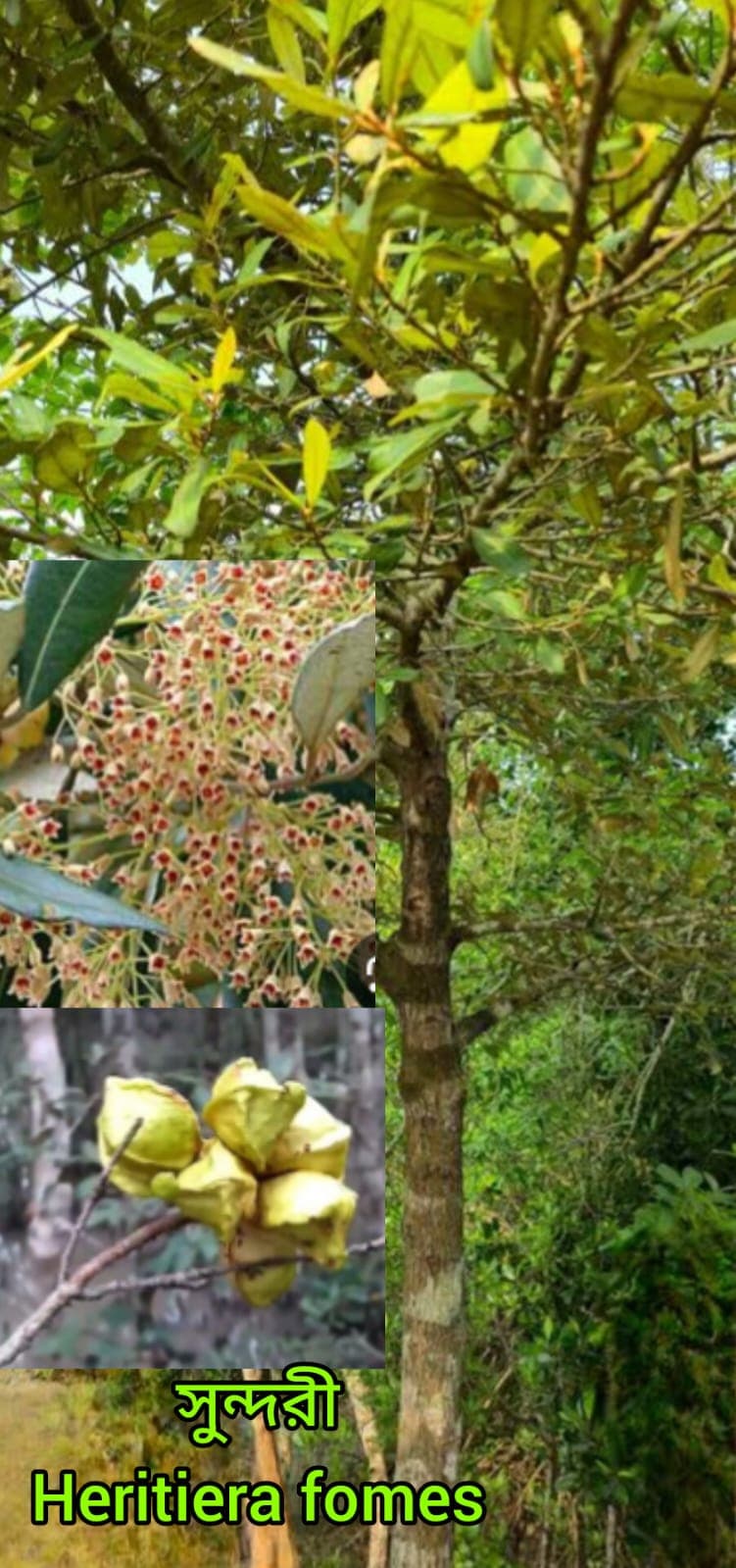
The tree the forest is named after. Its hard timber once built boats across Bengal; today it is a protected species and increasingly scarce.
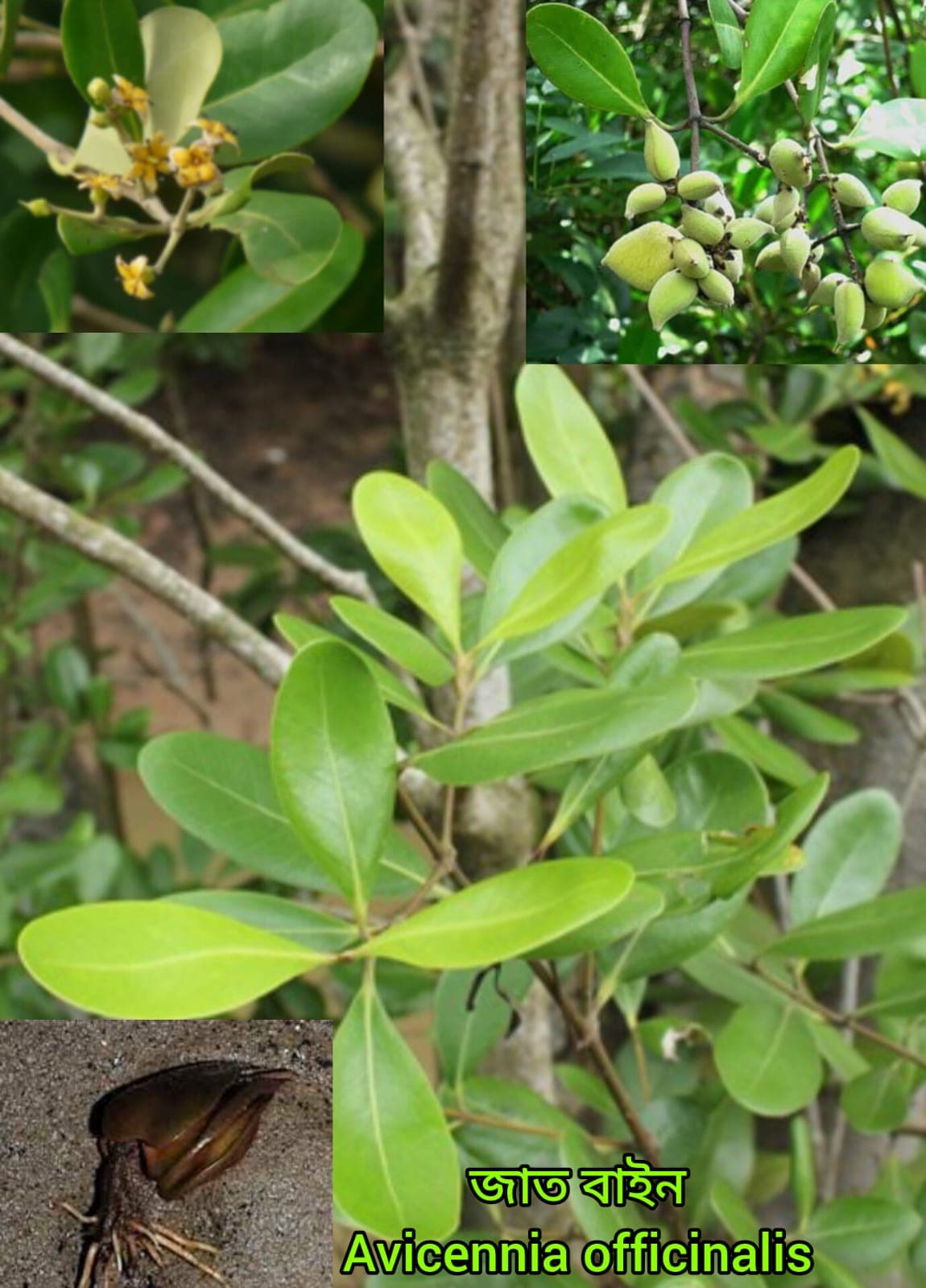
One of the commonest mangroves here, and the source of the pencil-like breathing roots that carpet the mudflats at low tide.
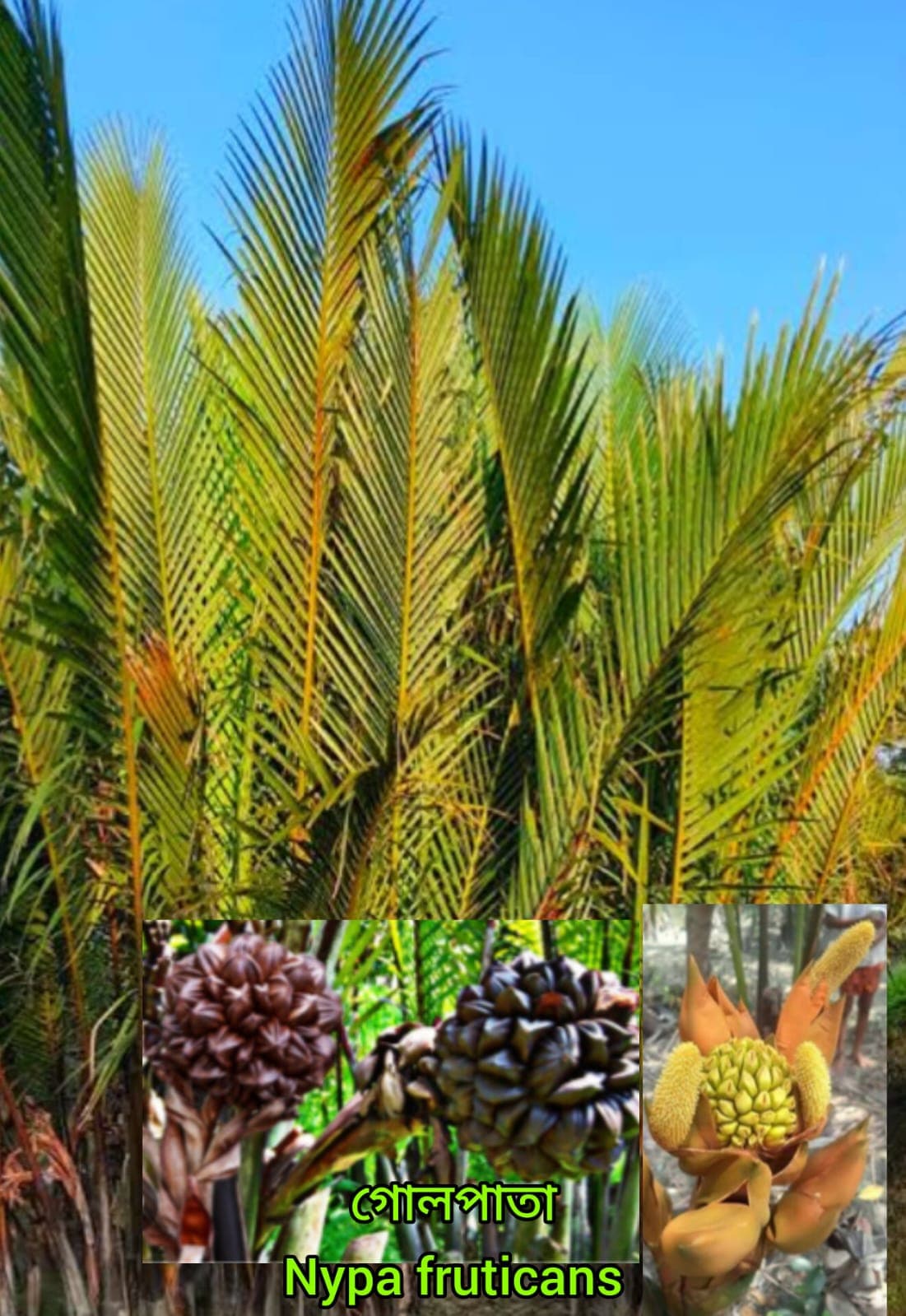
The mangrove palm. Its fronds thatch roofs all over the delta and its sap is tapped for sweet toddy.
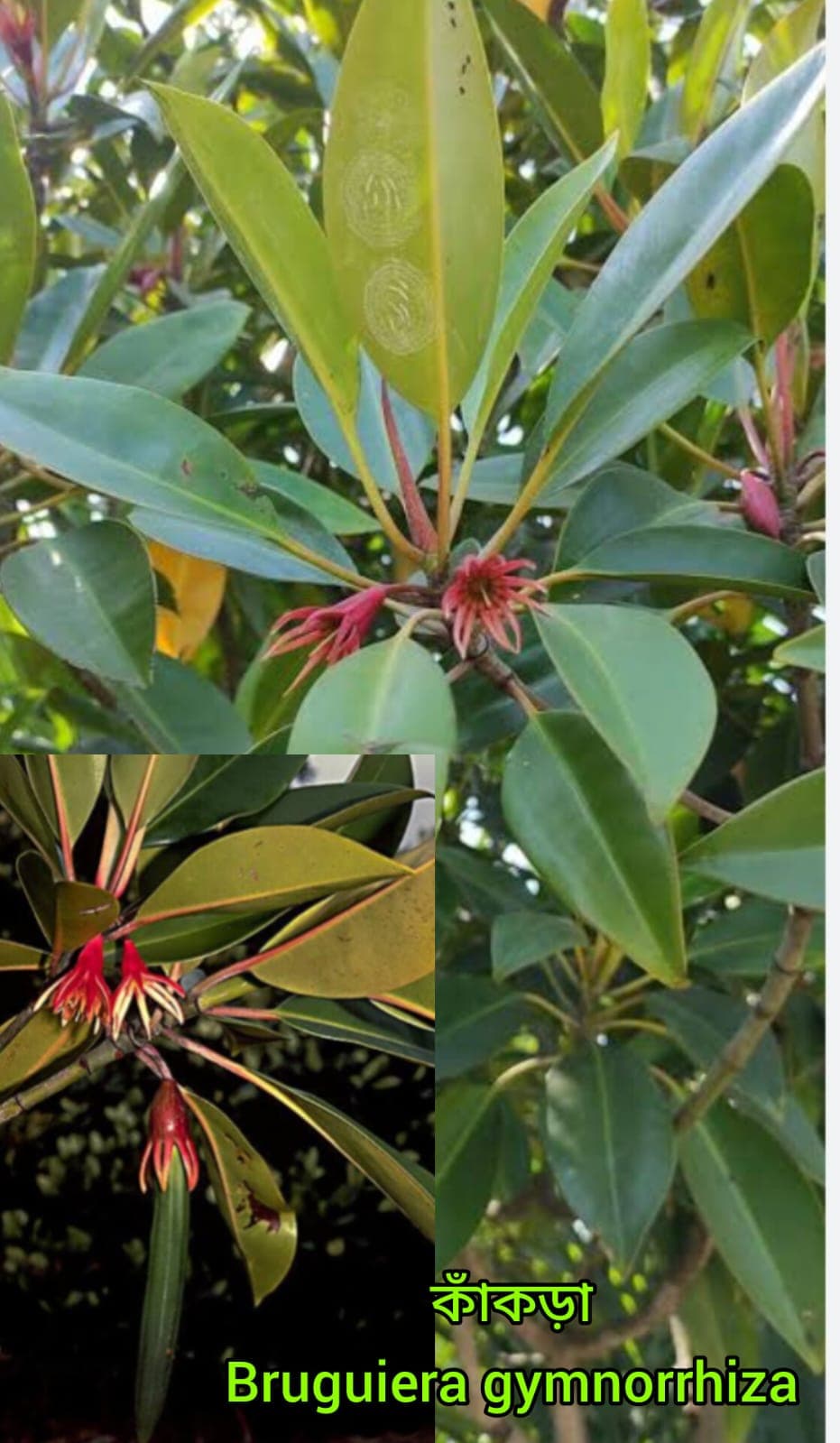
Recognisable by its red flower and knee-shaped roots that arch out of the mud before diving back in.
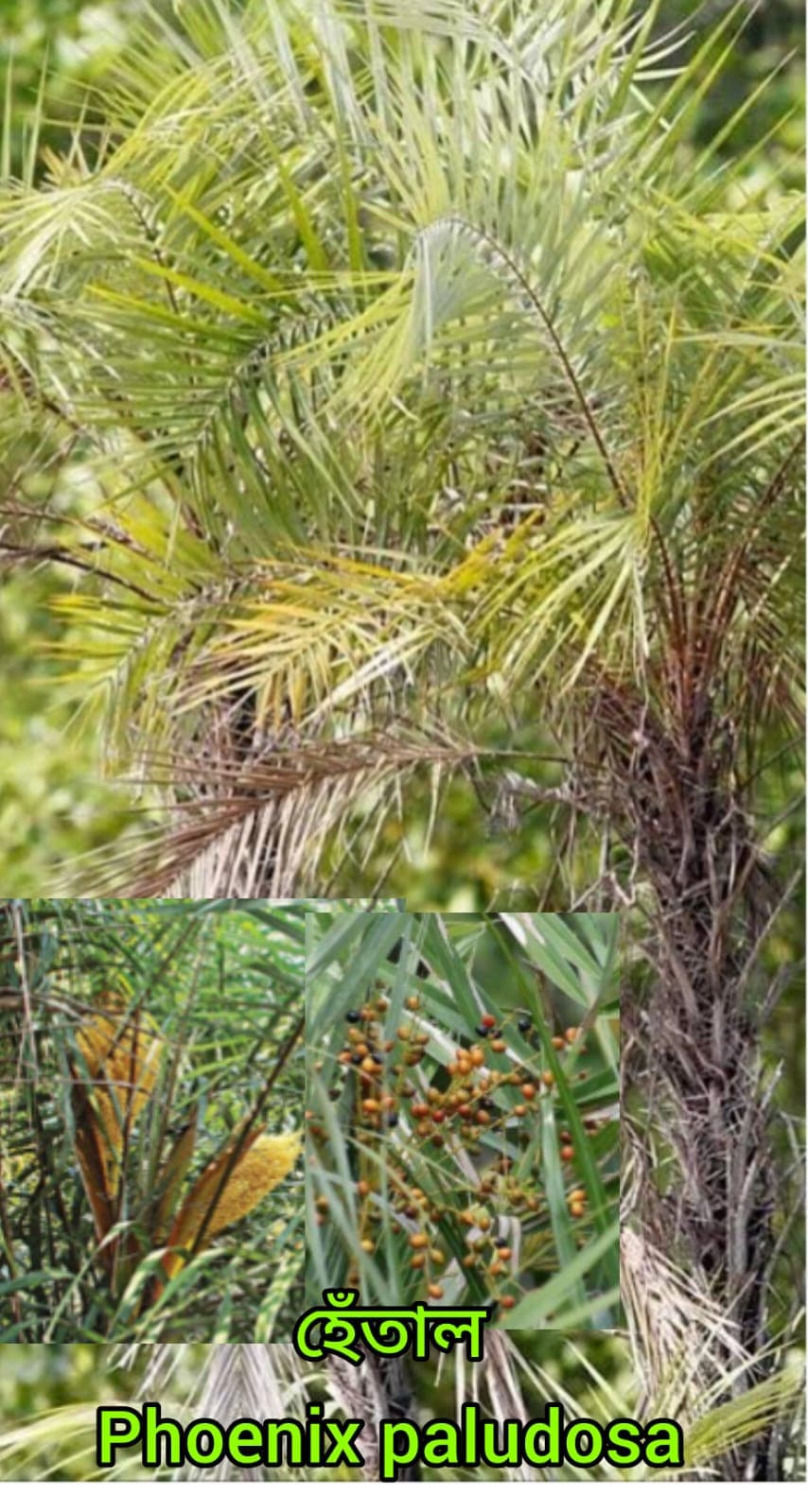
A low, spiny mangrove palm that forms dense thickets. Tigers use it for cover, which is why guides watch it closely.
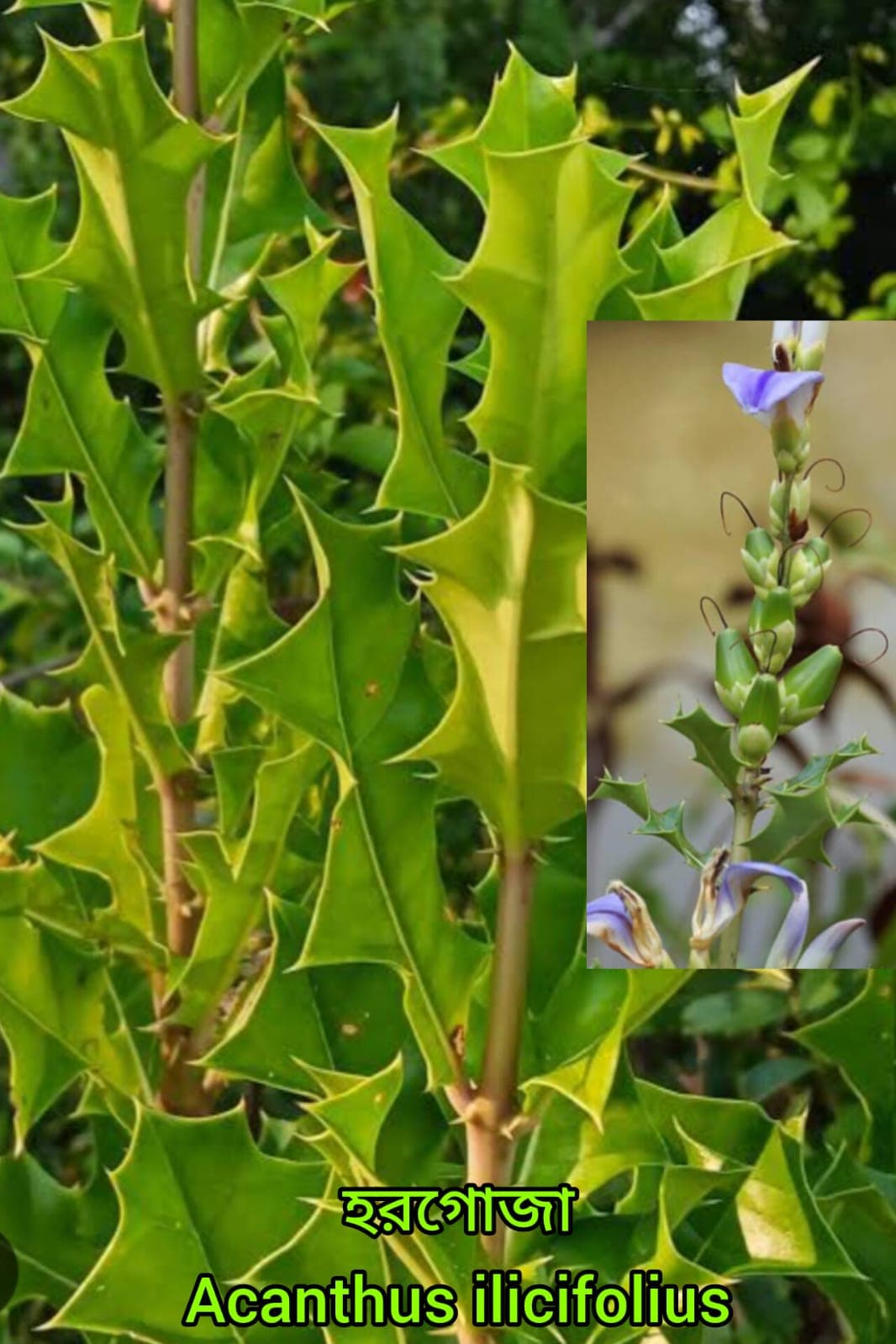
Holly-leaved and pale blue in flower, growing right at the waterline. Used in local medicine for generations.
Why travel with us
Every vessel is forest-department registered, life-jacket equipped and carries a first-aid kit and a spare engine.
Our naturalists are from Gosaba and Pakhiralay. They read the tide charts, the alarm calls and the pugmarks.
Forest entry, camera and boat permits are filed in advance. You send IDs; we do the paperwork.
The quote you get includes boat, permits, guide, meals and stay. Nothing is added at the jetty.
We cap shared departures so everyone gets deck space and a clear line of sight from the towers.
Crew, cooks, guides and lodges are all hired within the delta. Your trip stays in the community.
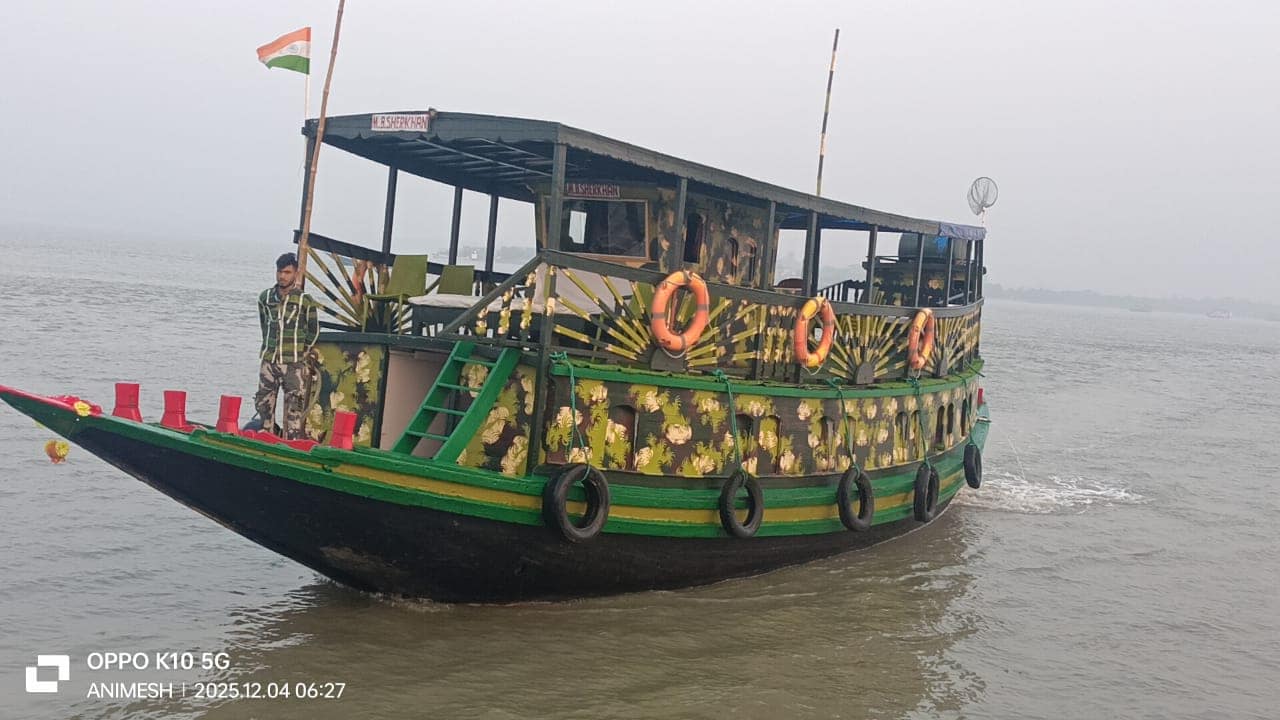
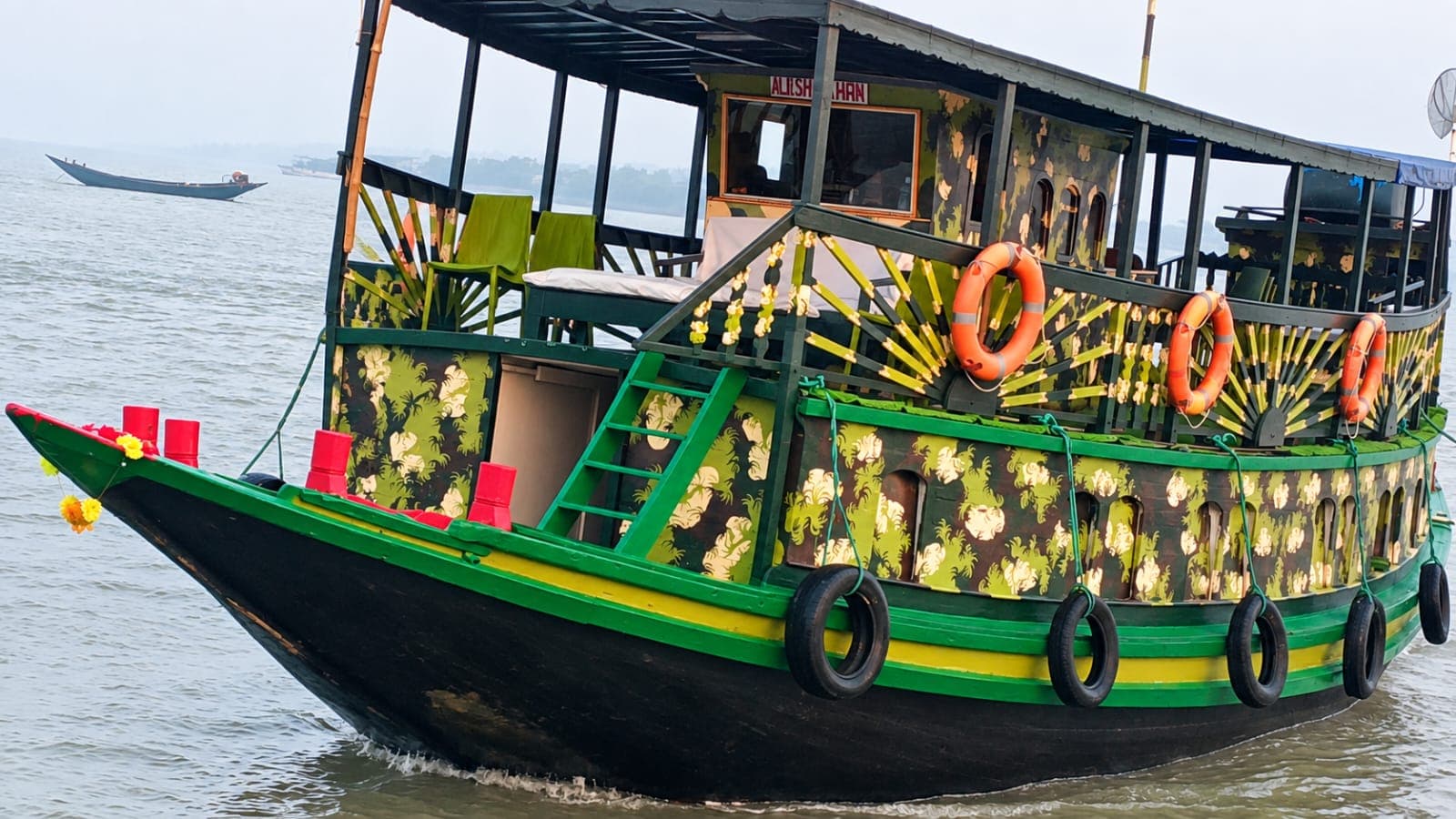
Our boat
Private or sharing, a single day or two nights on board. Tell us your dates and we build the rest of the trip around them.
Guest albums
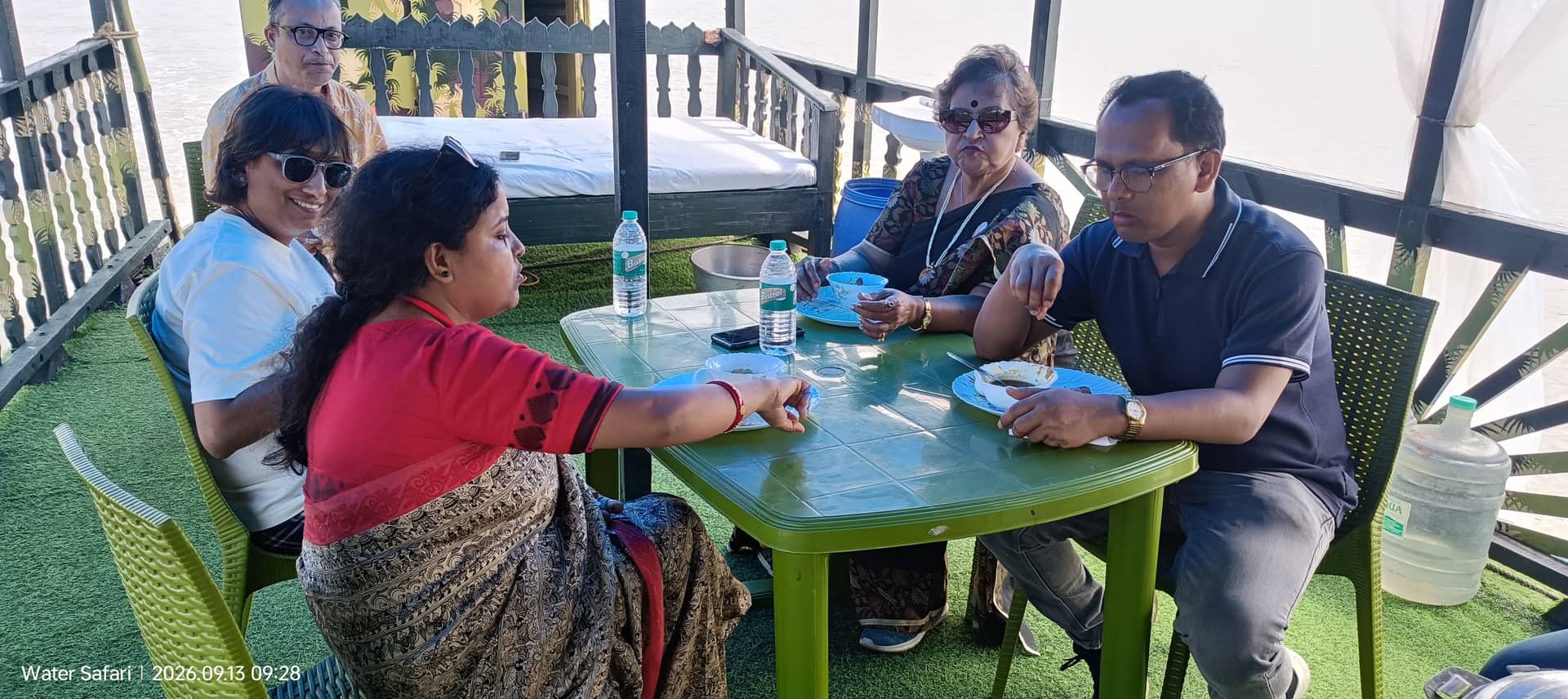
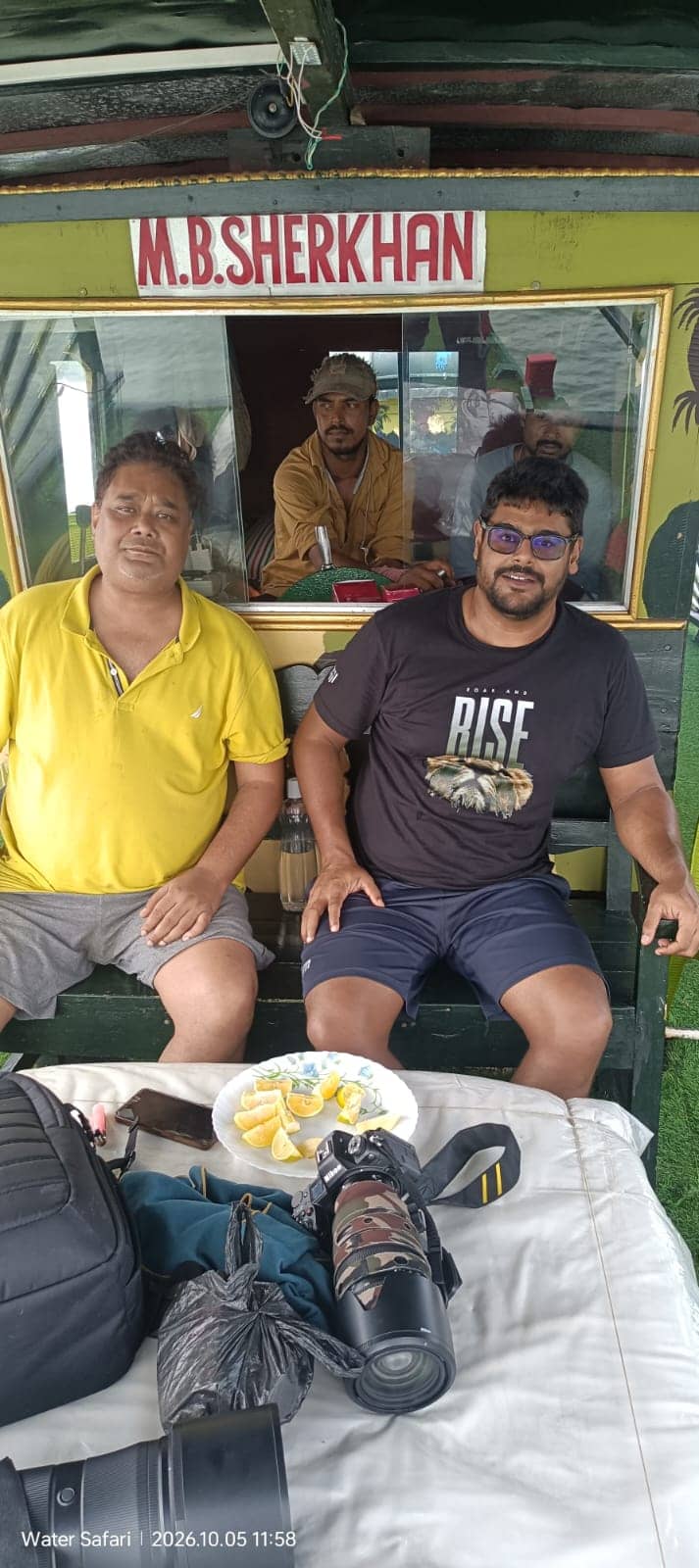
Upamanuya Sir &Dr. Sanjay sir.4 day safari
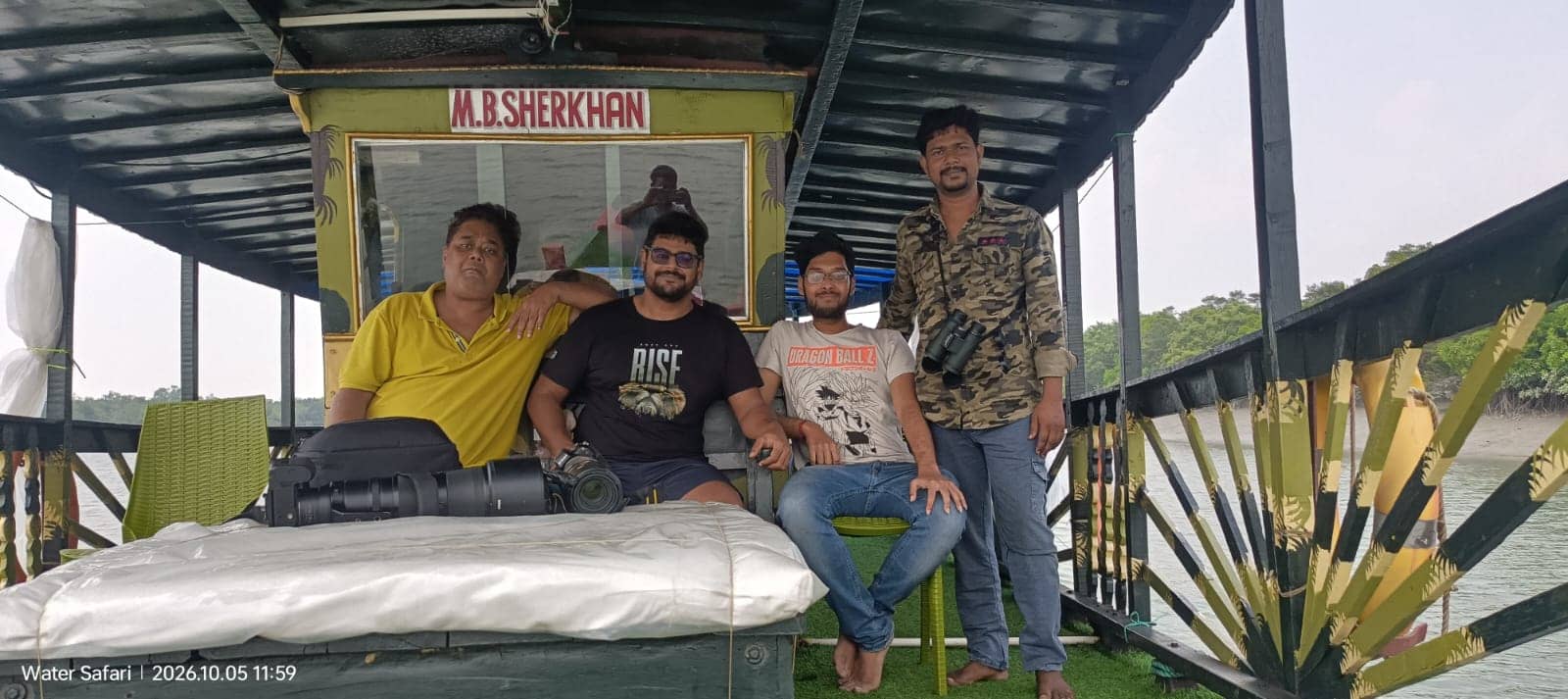
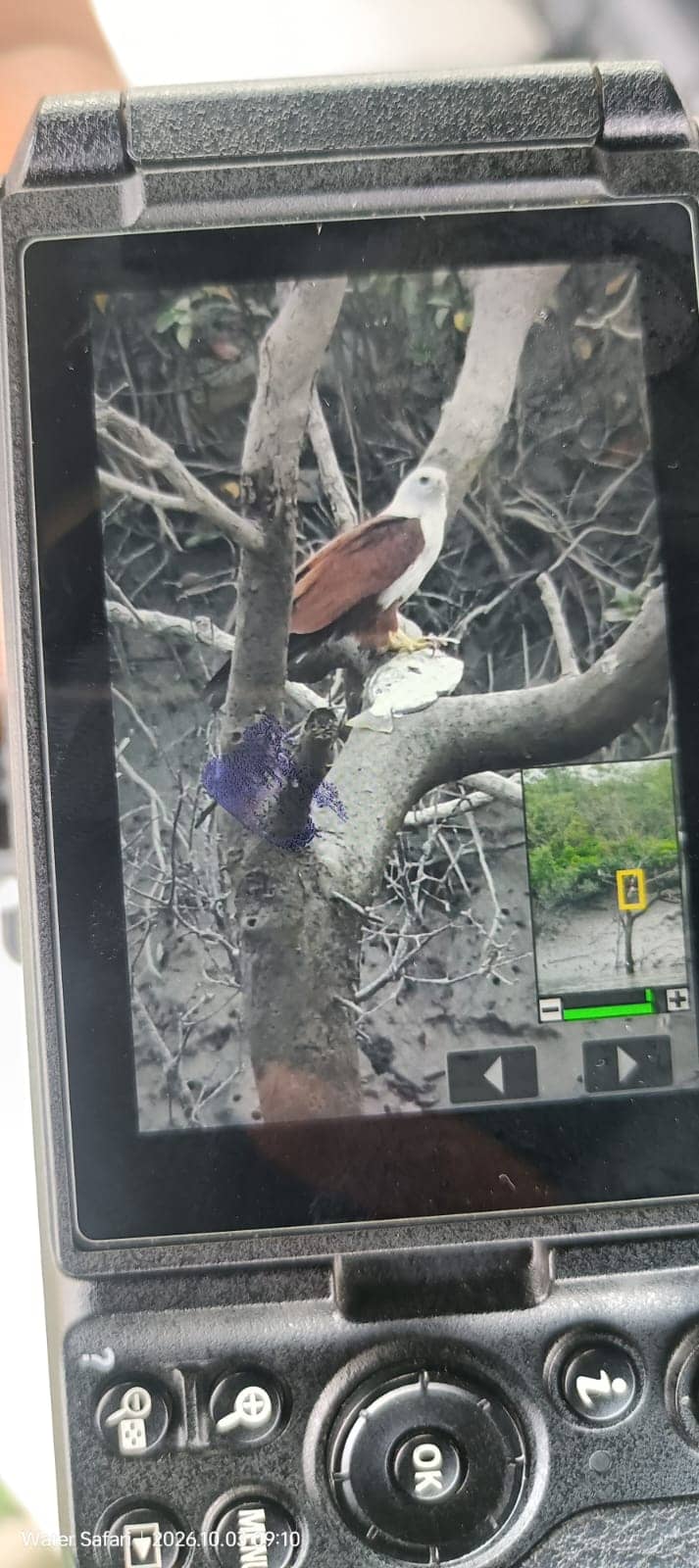
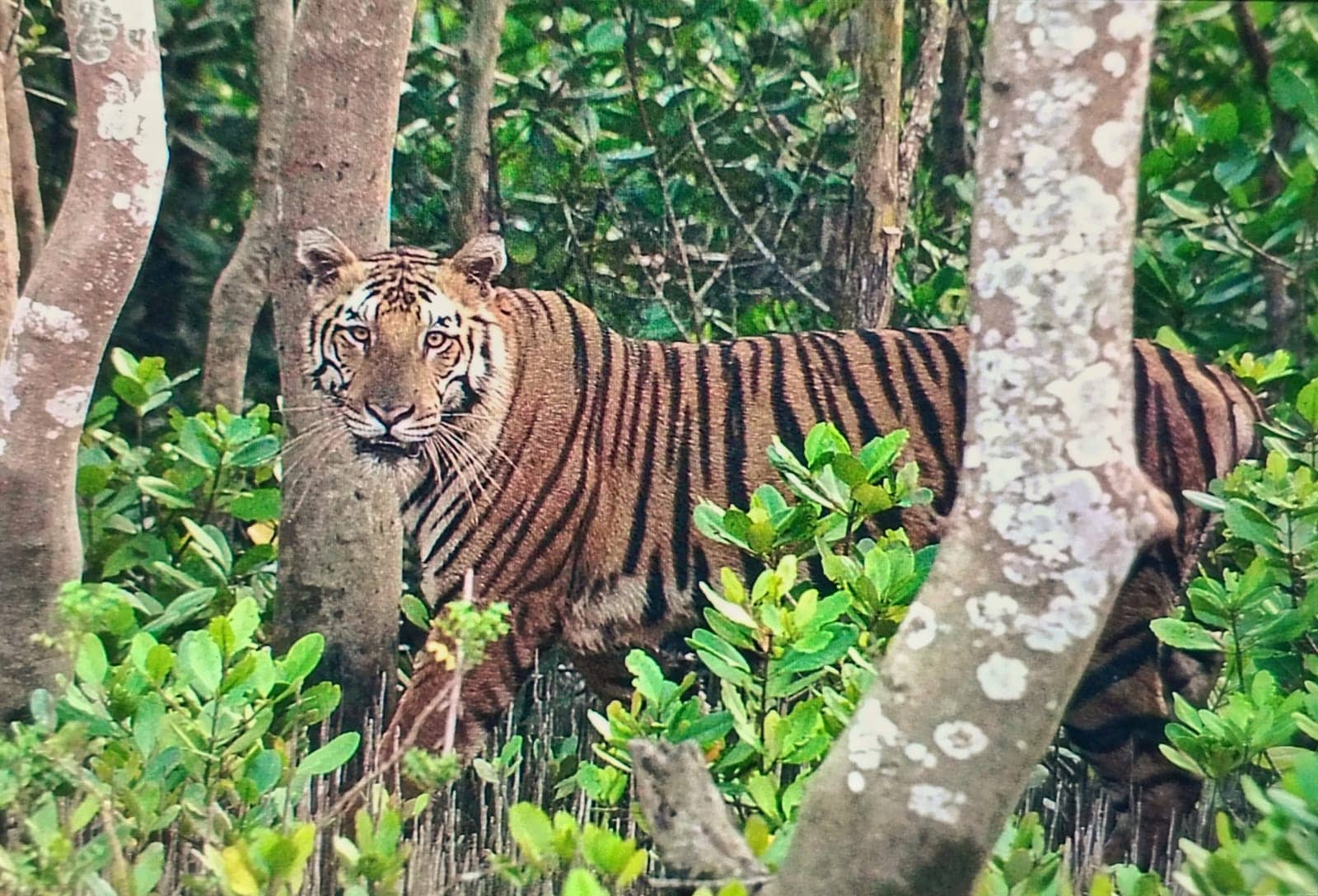
From our trips
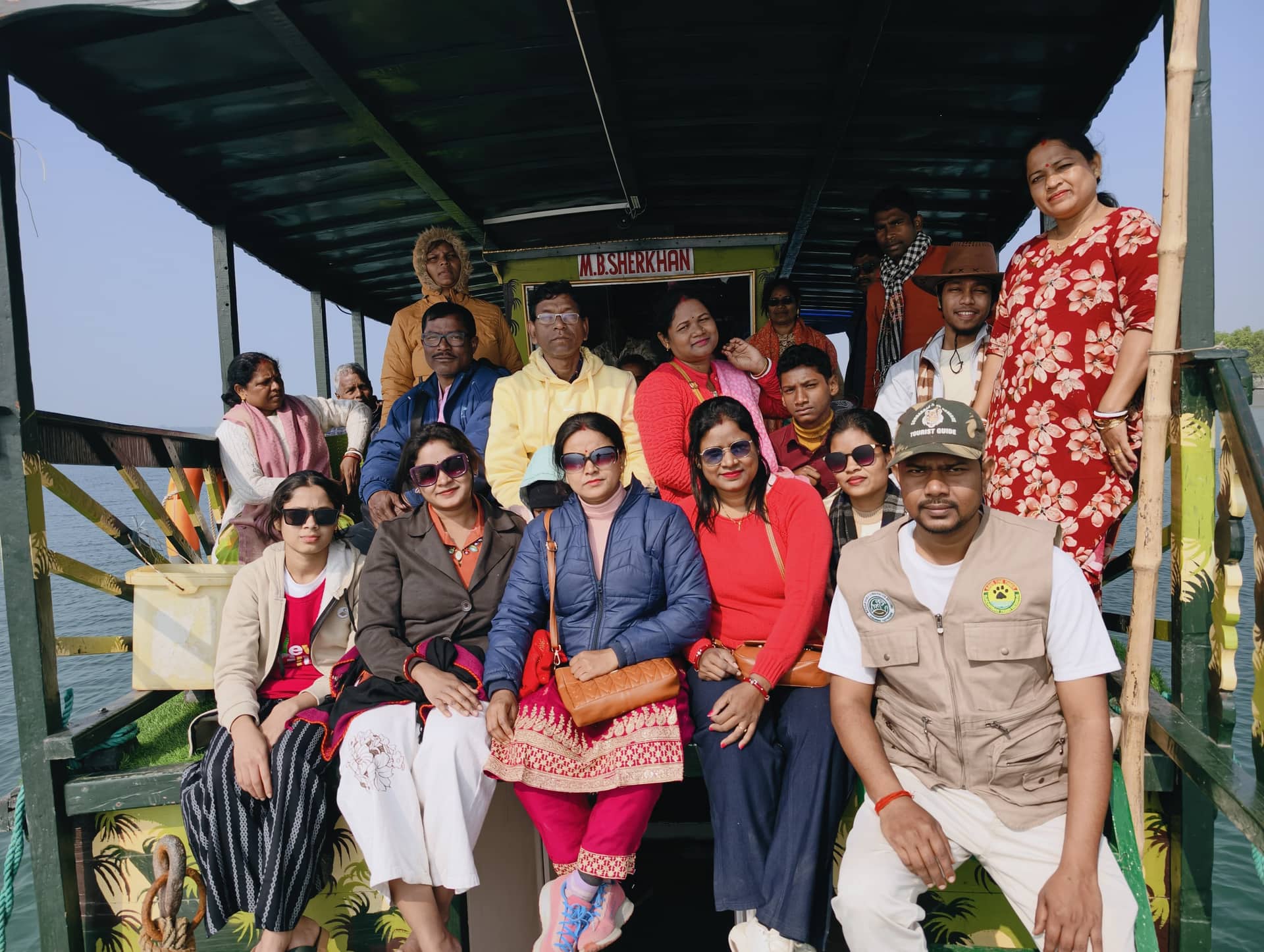
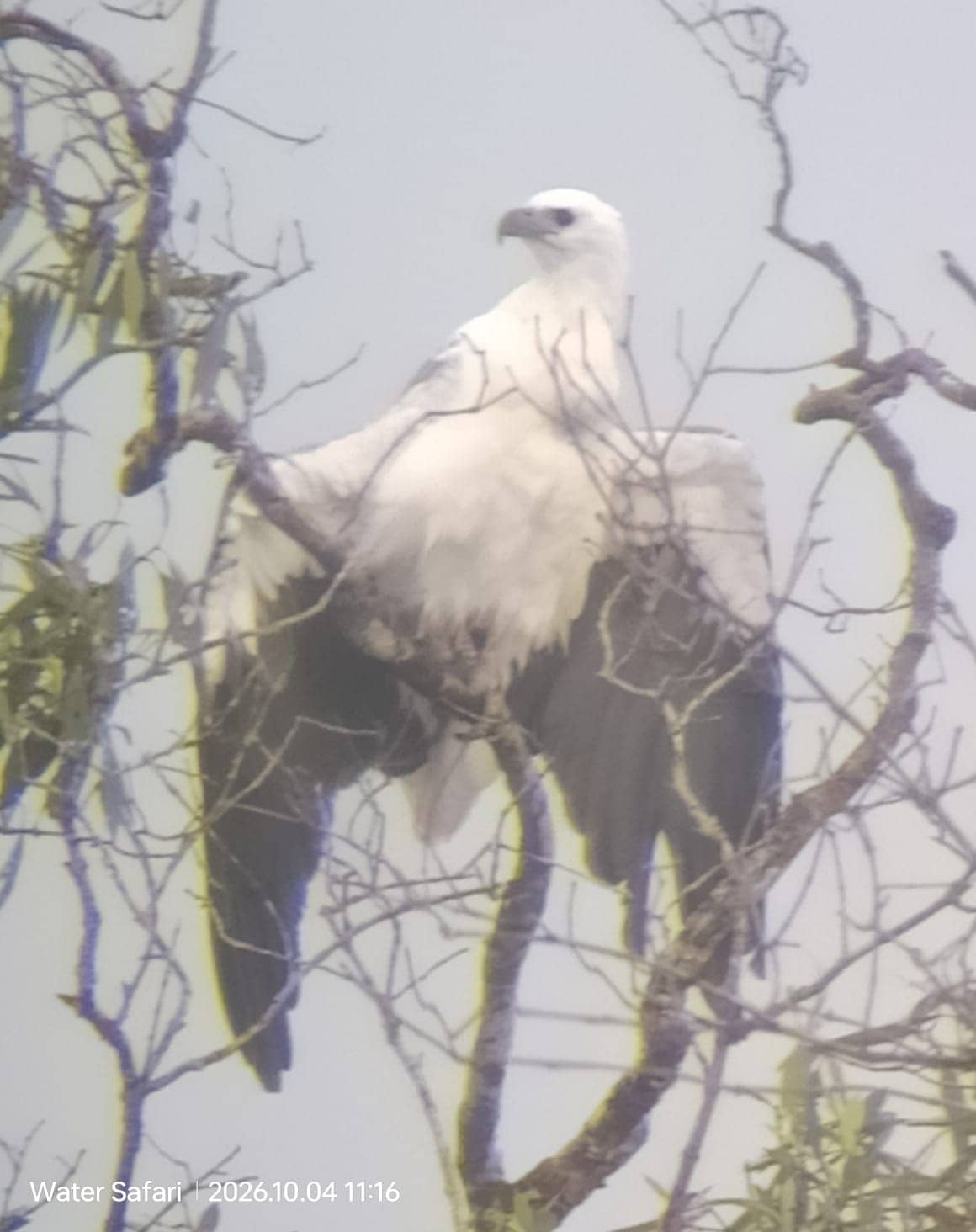
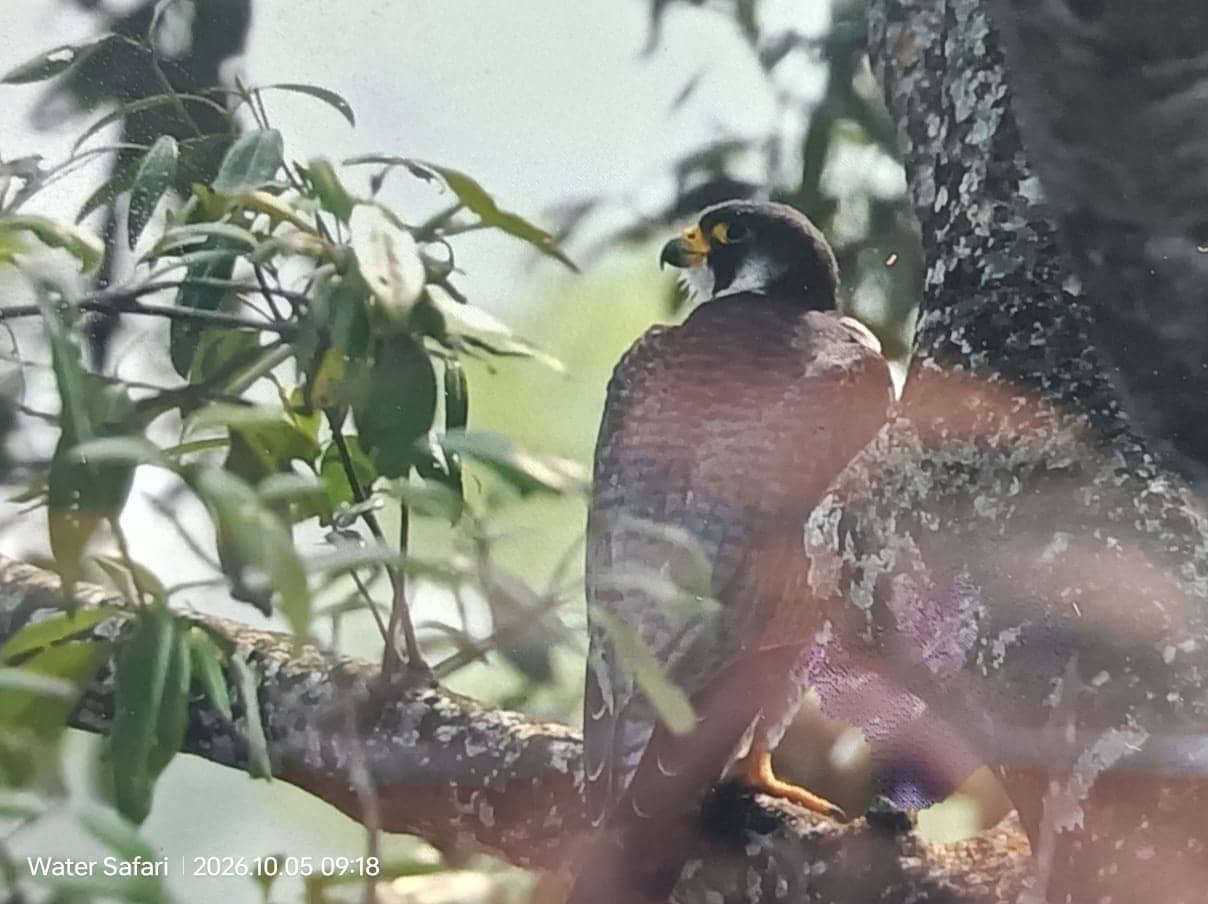
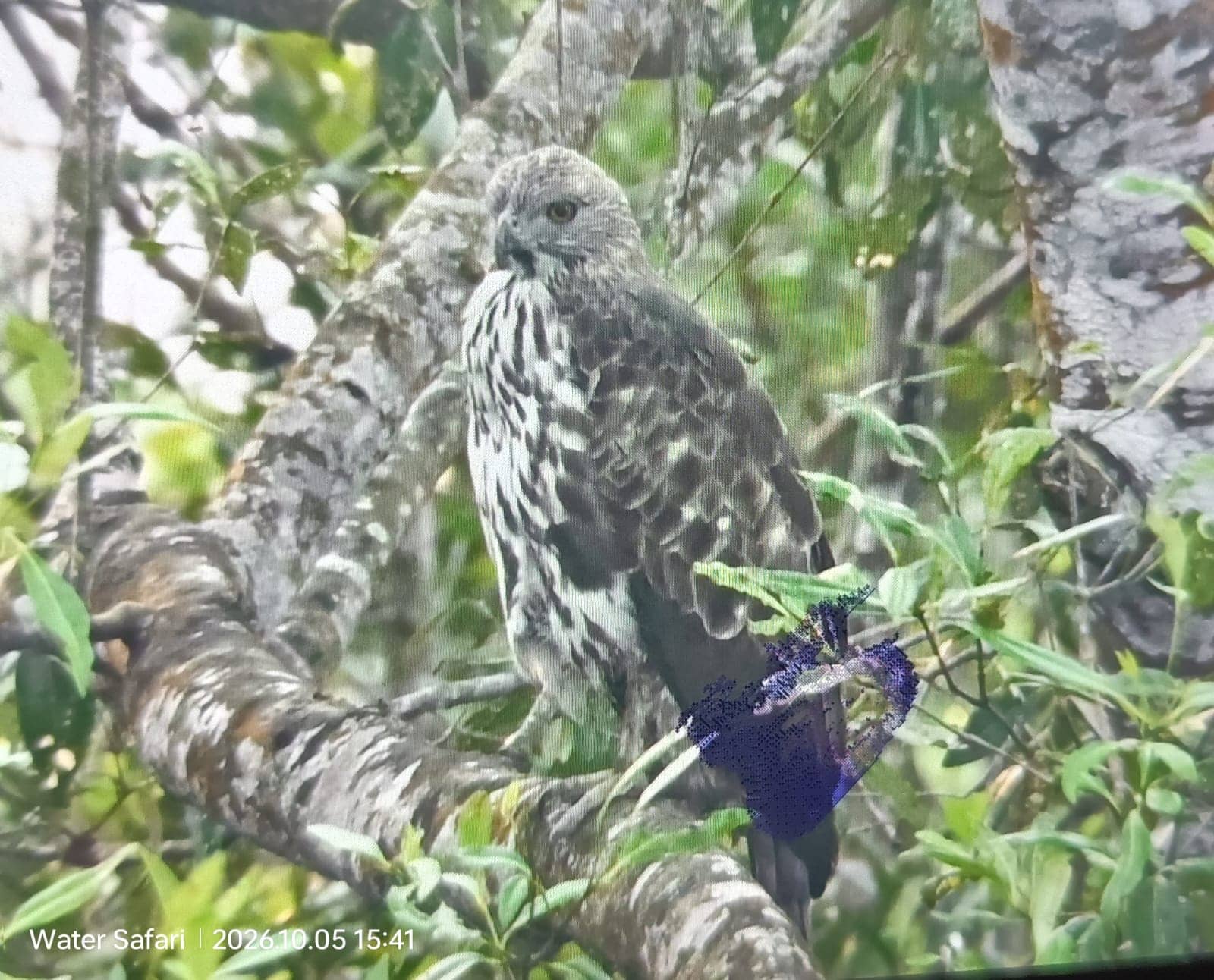
Tigers, kingfishers, crocodiles and the boat you will travel on — all shot by guests and guides on our own departures.
Guest reviews
“We did the 3-day package in December and it was flawless. The boat was clean, the food was genuinely excellent, and our guide spotted a crocodile and about fifteen bird species before we'd had breakfast.”
Plan your trip
Kolkata to Godkhali jetty is roughly 100 km — about 3 hours by road. By train, take the Sealdah South line to Canning, then a 1.5-hour road transfer. We can arrange door-to-jetty pick-up.
October to March is the peak window: cool, dry and the best sighting odds. April to June is hot but quiet. The monsoon is green and dramatic, with some route restrictions.
Light cottons, a hat, sunscreen, mosquito repellent, binoculars, a power bank, and an original photo ID for every guest — IDs are mandatory for forest permits.
Mobile coverage is patchy inside the forest. There are no ATMs past Gosaba. Alcohol is not permitted in the reserve, and drone use requires separate clearance.
FAQ
No operator can promise that, and you should be wary of any who does. The Sundarbans is dense mangrove and tigers are famously elusive — perhaps one trip in ten yields a sighting. What is guaranteed is crocodiles, deer, extraordinary birdlife and a forest unlike anywhere else in India.
Call or WhatsApp us on +91 91444 29989 or +91 75850 75387, or send the form below. We confirm availability, then share a written itinerary and quote. Once you accept, we take an advance to block the boat and permits, and we need a clear photo ID for each guest before departure.
Yes. Boats are stable, covered and life-jacket equipped in adult and child sizes, and the watch towers have gentle ramps or short staircases. Tell us your group's ages and we will pace the itinerary accordingly.
Our current cancellation and refund terms are sent in writing with your quote, before you pay anything. Ask us when you enquire and we will spell them out for your dates — they vary a little between peak season and the quieter months.
All meals are included on every package — the full three-day menu is published on this page. The default is Bengali home-style cooking with fish, prawn and mutton. We handle vegetarian, Jain and no-onion-garlic requirements comfortably if you tell us at booking.
Yes. We run private boat charters for families and groups on any date, and have hosted corporate offsites of up to 60 people. Send us your dates and headcount for a tailored plan.
Plan your safari
Fill this in and we reply within one working day with an itinerary, a quote and boat availability. Prefer to talk? Call or WhatsApp us directly.
Things you may like to carry
Torch · Your regular medicines · Umbrella or a light raincoat · Drinking water · Non-slip shoes · Sunglasses · Binoculars · Camera · Cap or hat · Power bank